
Starting a clothing brand has never been more accessible than it is today. Digital tools, online stores, and modern printing methods allow creators to launch brands with relatively small budgets.
However, building a successful clothing brand still requires careful planning and smart decisions. A great design alone is rarely enough to succeed in the fashion industry.
This guide walks through the essential steps needed to launch and grow a clothing brand in 2026. Each step focuses on practical actions that help turn an idea into a real business.
Step 1 — Choose Your Niche and Define Your Brand Identity
Every successful clothing brand starts with a clear identity. Before creating products, you must decide what your brand represents and who it serves.
A strong niche helps your brand stand out in a crowded market. Without a clear direction, it becomes difficult to attract loyal customers.
Why Niching Down Is the Key to Standing Out
The clothing industry is highly competitive. Thousands of new brands launch each year.
However, brands that focus on a specific niche often grow faster. A niche allows you to speak directly to a particular group of customers.
For example, some brands focus on fitness apparel, while others target streetwear culture. Meanwhile, some specialize in eco-friendly clothing or outdoor gear.
When your brand serves a specific audience, marketing becomes much easier.
How to Find Your Target Customer
Understanding your target customer is essential for building a strong brand. Your designs, messaging, and pricing should appeal to this specific audience.
Start by asking a few important questions. What age group will wear your clothing? What interests or lifestyles do they have?
Additionally, research where these customers spend time online. Knowing their habits helps guide your marketing strategy.
Examples of Successful Clothing Brand Niches
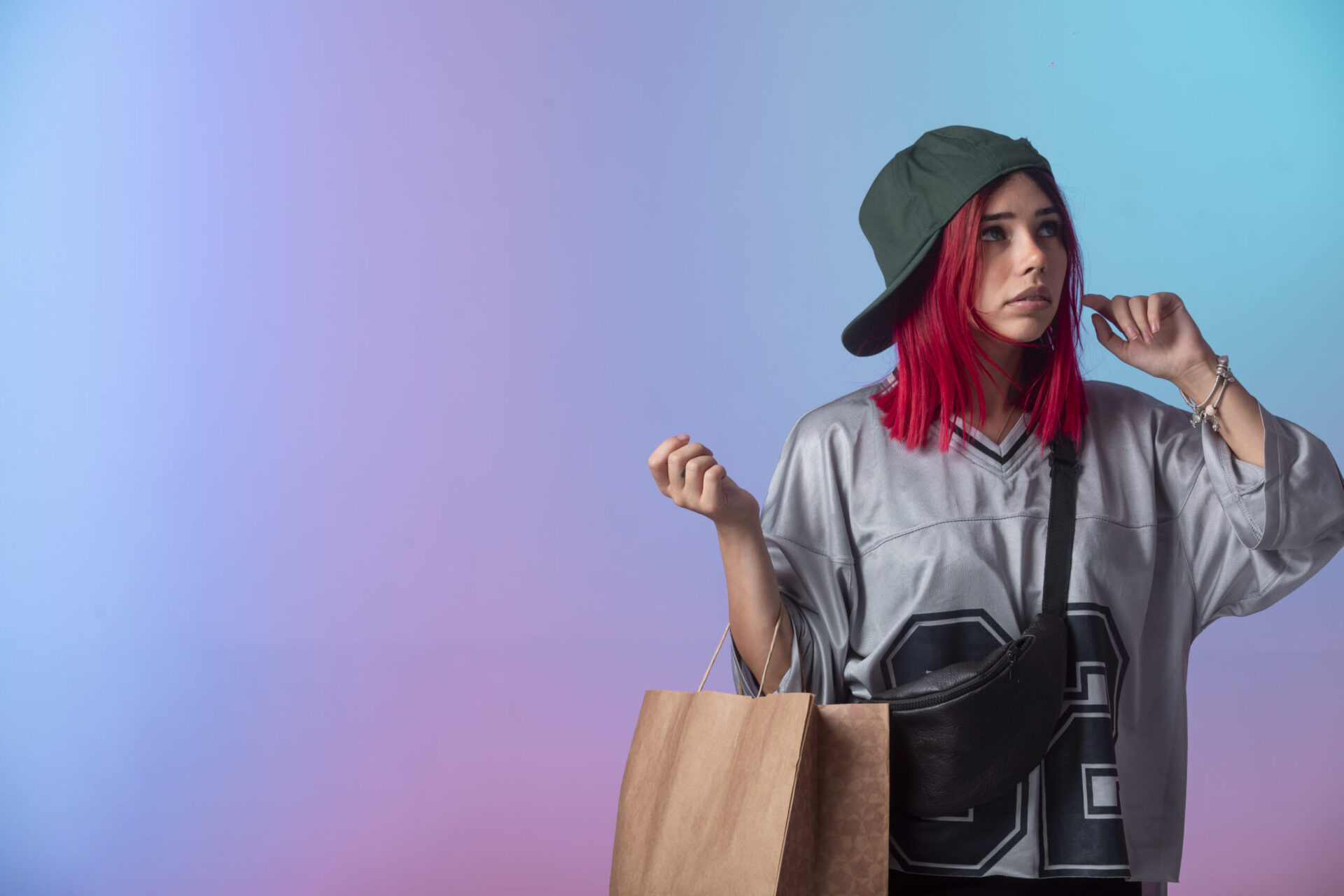
Many well-known brands started with a very specific focus. Gymshark targeted fitness enthusiasts who followed workout influencers.
Similarly, Supreme built its brand around skate culture and streetwear.
Other examples include sustainable clothing companies, outdoor adventure apparel, and minimalist lifestyle brands.
Choosing the right niche gives your brand direction from the very beginning.
Step 2 — Start Making Designs
Once your brand concept is clear, the next step is creating your first designs. These designs will shape the visual identity of your brand.
Clothing designs can start as sketches, digital artwork, or graphic concepts.
However, each design should reflect your brand’s personality and target audience.
Do You Need a Fashion Designer?
Not every clothing brand founder is a professional designer. Fortunately, you do not need advanced fashion training to begin.
Many entrepreneurs start by collaborating with freelance designers. Others use design software to create graphics themselves.
Meanwhile, some brands work with artists who specialize in apparel design.
What Is a Tech Pack and Do You Need One?
A tech pack is a document that explains how a garment should be produced. It includes measurements, materials, stitching details, and design specifications.
Manufacturers rely on tech packs to ensure accurate production.
However, simple clothing brands that use printing techniques may not need complex tech packs at first.
How to Choose Colors, Fabrics, and Fits for Your Brand
Color selection plays a major role in brand recognition. Some brands build their identity around consistent color palettes.
Additionally, fabric choice affects comfort, durability, and price. Cotton, polyester blends, and performance fabrics all create different experiences.
Fit is also important. Oversized streetwear fits differ greatly from athletic or tailored designs.
Building a Logo That Works Across All Print Methods
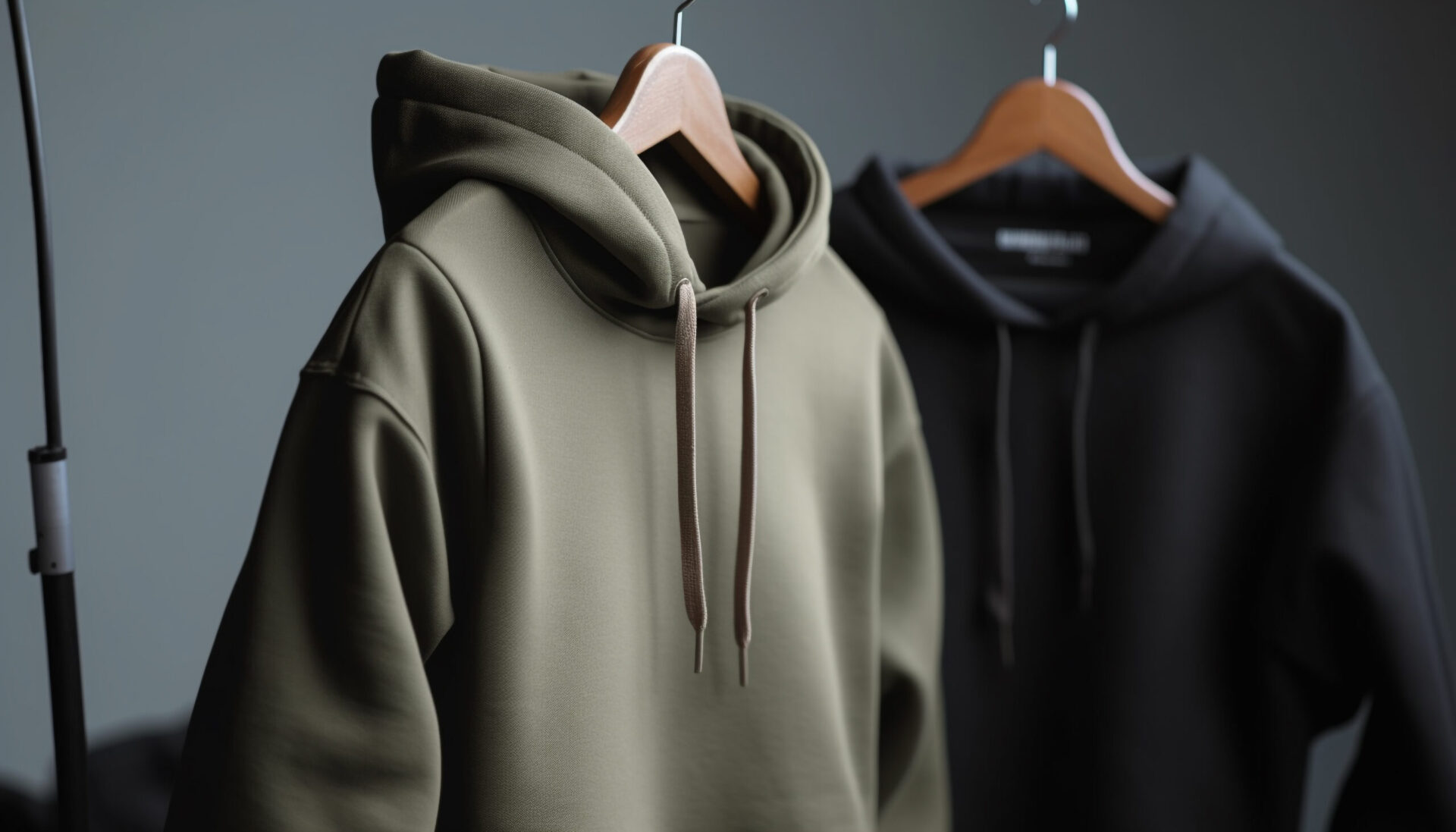
A clothing brand logo should be versatile. It must look good on shirts, hoodies, hats, and digital platforms.
However, some designs do not translate well across different printing methods.
Simple, bold logos often work best. Clean shapes and limited colors make printing easier and more consistent.
Step 3 — Choose How Your Clothing Will Be Made
Production is one of the biggest decisions for a clothing brand. The method you choose affects cost, quality, and scalability.
Different printing techniques serve different types of brands.
Print on Demand: The Low-Risk Starting Point
Print on demand allows brands to sell products without holding inventory.
When a customer places an order, the item is produced and shipped automatically.
This approach reduces financial risk for new businesses. However, profit margins are usually lower.
Screen Printing: Best for Bulk Orders With Bold Designs
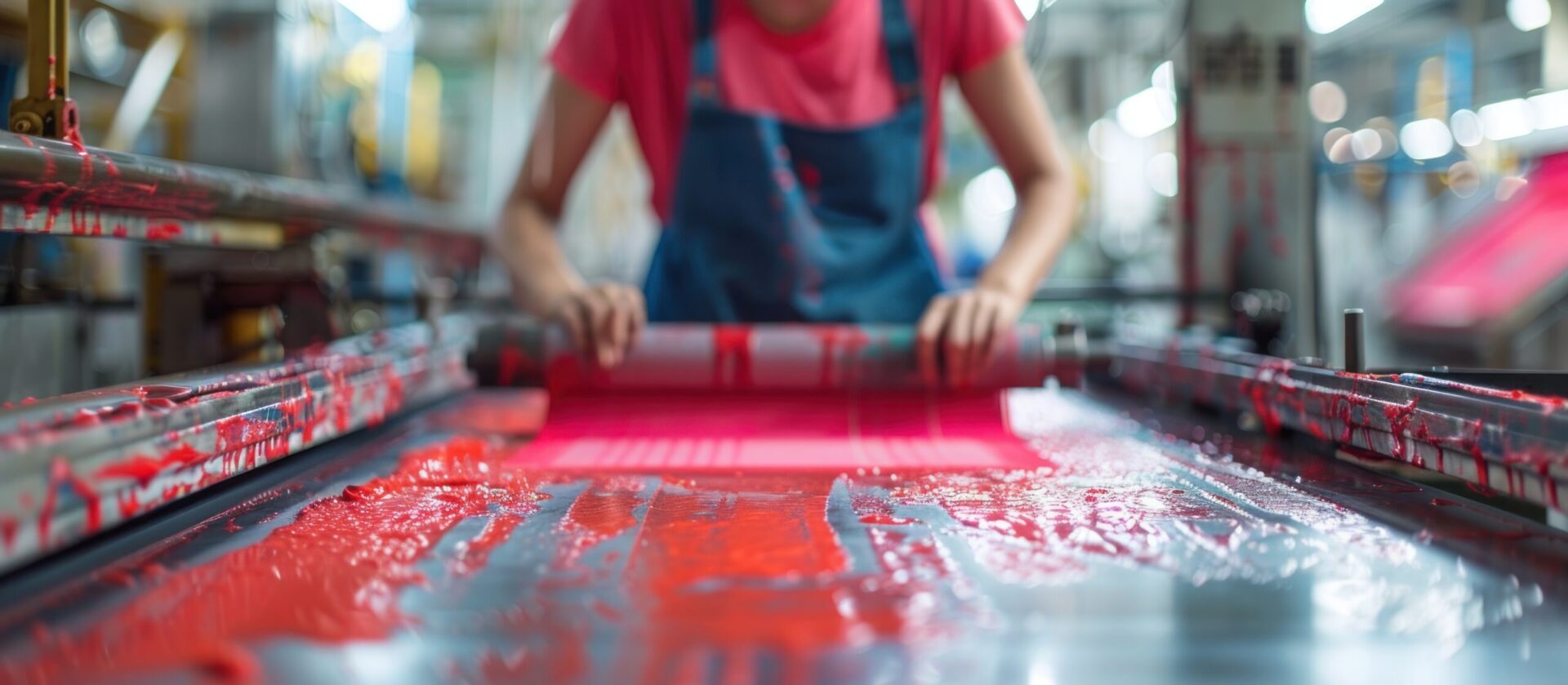
Screen printing is one of the most popular methods for apparel production.
This process pushes ink through a mesh stencil onto fabric.
As a result, it creates vibrant designs that last a long time.
Screen printing works best for larger orders because setup costs are higher.
Embroidery: Best for Premium and Professional Looks
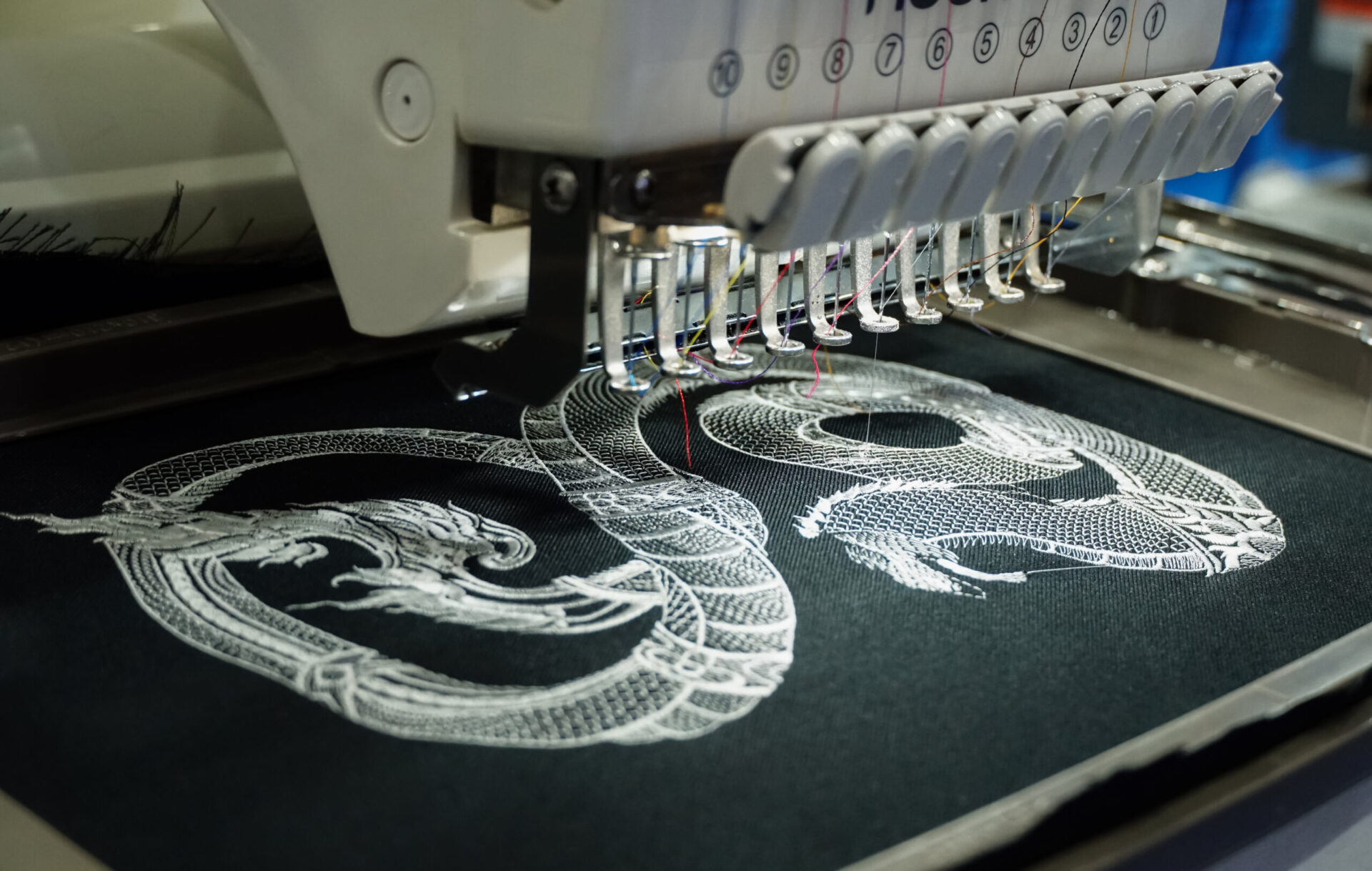
Embroidery stitches thread directly into the fabric.
This method produces a textured and durable design.
Many brands use embroidery for hats, polos, and corporate apparel.
Additionally, embroidered logos often create a more premium appearance.
Heat Press: Best for Small Runs and Complex Colors
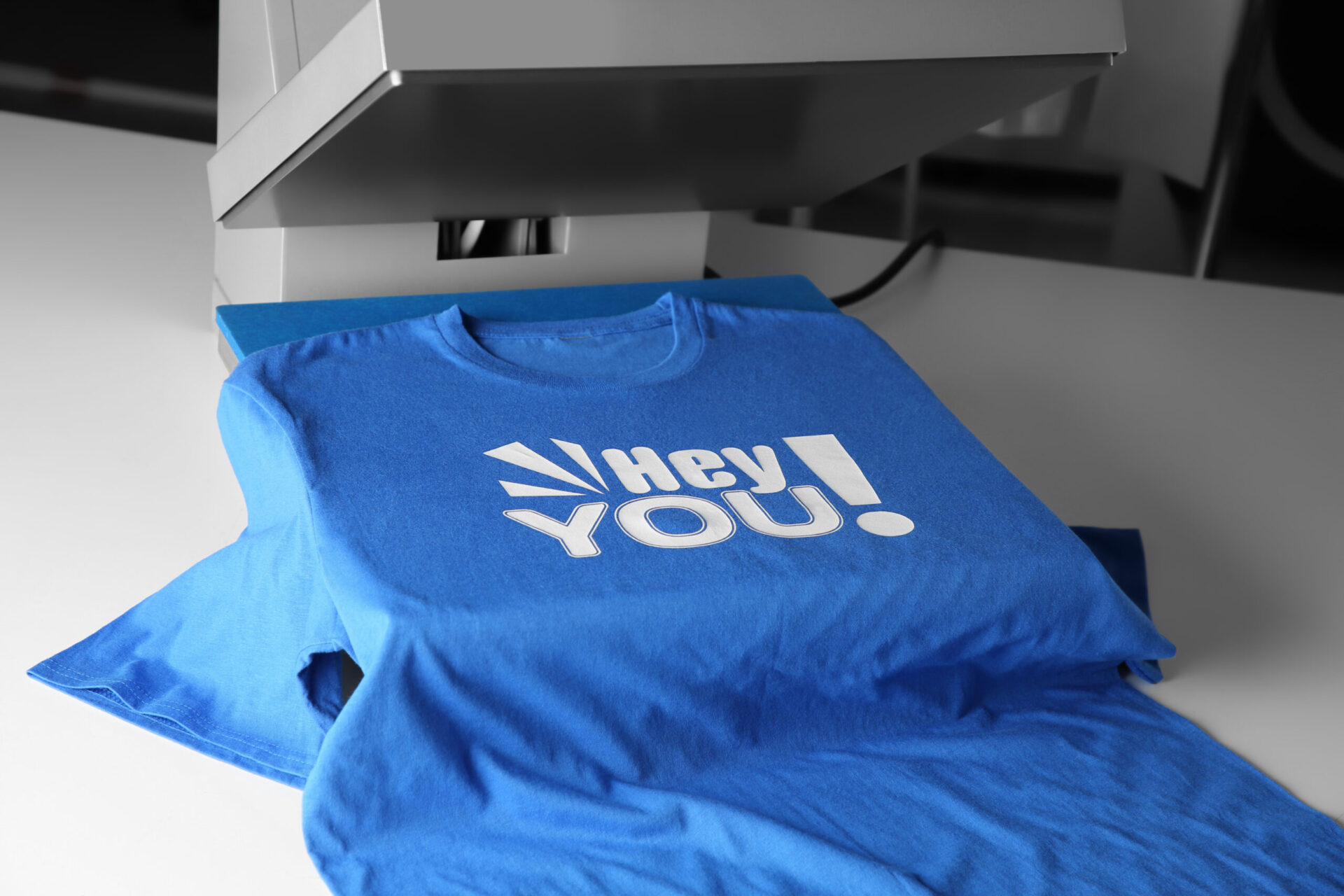
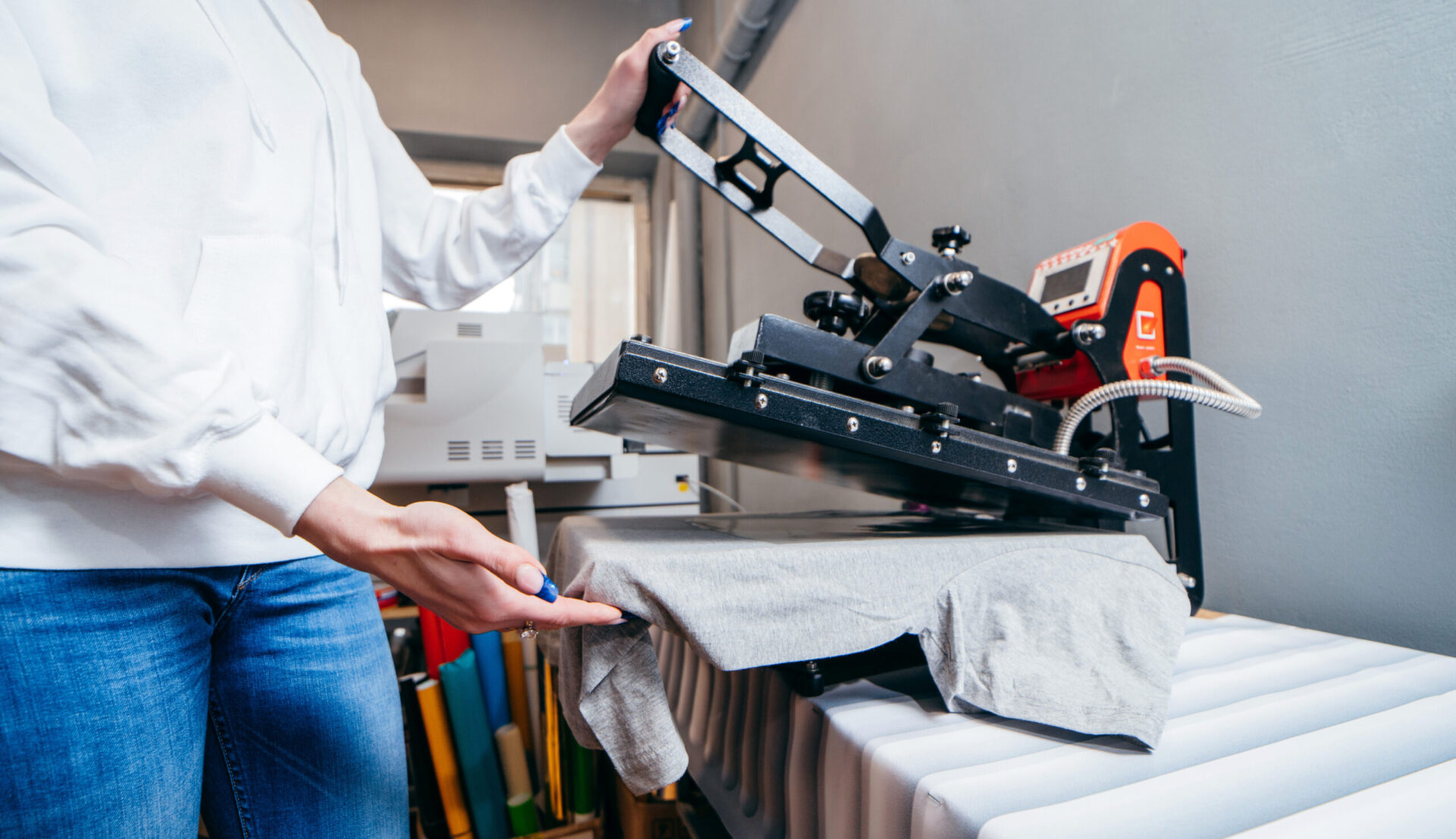
Heat press printing transfers designs using heat and pressure.
This technique works well for small orders and detailed graphics.
However, it may not last as long as other methods in some cases.
Working With a Clothing Manufacturer vs. a Local Print Shop
Large manufacturers can produce full clothing collections.
However, they usually require high minimum order quantities.
Local print shops offer more flexibility for smaller brands.
Additionally, working locally can simplify communication and reduce shipping times.
What to Ask Before Placing Your First Order
Before committing to production, ask important questions.
What is the minimum order quantity? What is the turnaround time?
Additionally, request samples to evaluate quality.
Understanding these details prevents costly mistakes.
Step 4 — Set Your Pricing Strategy
Pricing determines whether your brand can operate profitably.
Many new founders underestimate the true cost of producing clothing.
However, careful pricing ensures long-term sustainability.
How to Calculate Your Cost Per Unit
Start by calculating the full production cost of each item.
Include printing, garments, packaging, and shipping.
Additionally, consider marketing and website expenses.
These factors help determine your real cost per unit.
What Profit Margin Should a Clothing Brand Have?
Most clothing brands aim for a profit margin between 40% and 60%.
However, margins vary depending on production costs and brand positioning.
Premium brands may charge significantly higher prices.
Pricing for Wholesale vs. Direct to Consumer
Wholesale pricing is lower because retailers also need profit margins.
Direct-to-consumer sales allow brands to keep more revenue.
However, managing your own store requires additional work.
Step 5 — Build Your Online Store
An online store is often the primary sales channel for modern clothing brands.
Fortunately, several platforms make launching a store relatively simple.
Shopify vs. Etsy vs. Your Own Website: Which Is Best?
Shopify offers powerful tools for building independent online stores.
Etsy provides access to an existing marketplace audience.
Meanwhile, a fully custom website gives brands maximum control.
Each platform has advantages depending on your goals.
What Pages Does a Clothing Brand Website Need?
A successful clothing brand website includes several essential pages.
Product pages showcase each item clearly.
An About page tells your brand story.
Additionally, customers expect contact information and shipping policies.
How to Optimize Your Product Pages to Drive Sales
Product pages must clearly communicate value.
Use detailed descriptions that explain fabric, fit, and sizing.
Additionally, include multiple high-quality photos.
Clear information builds trust and reduces returns.
Step 6 — Invest in Professional Photography
Clothing is a visual product. Customers rely heavily on images when deciding what to buy.
Therefore, photography can strongly influence sales.
Why Product Photography Makes or Breaks an Online Clothing Brand
Poor photos make even great products look unappealing.
However, strong images highlight quality and design details.
Professional visuals also make your brand appear more credible.
Flat Lay vs. Model Shots: What You Need and When
Flat lay photography shows clothing laid out on a surface.
This style works well for simple product displays.
Meanwhile, model photos demonstrate how clothing looks when worn.
Both styles serve important roles in marketing.
How to Shoot Clothing Photography on a Budget
You do not need an expensive studio to start.
Natural light and simple backgrounds can produce great results.
Additionally, smartphones now capture high-resolution images.
Creativity often matters more than equipment.
Step 7 — Plan and Execute Your Launch
Launching your brand is an exciting milestone.
However, preparation helps ensure a successful release.
How to Build Hype Before Your Launch (In-Person and Online)
Start promoting your brand before products become available.
Share behind-the-scenes content during development.
Additionally, tease upcoming designs on social media.
Building anticipation encourages early sales.
Launch Day Checklist for a Clothing Brand
Ensure your website functions correctly.
Verify payment processing and shipping settings.
Additionally, prepare social media announcements.
A smooth launch builds customer confidence.
What to Do in the First 30 Days After Launch
The first month provides valuable feedback.
Pay attention to customer comments and reviews.
Additionally, analyze which products sell best.
This data helps guide future collections.
Step 8 — Market Your Clothing Brand and Drive Sales
Even great clothing brands need strong marketing strategies.
Without visibility, potential customers may never discover your products.
Organic Social Media Marketing for Clothing Brands
Social media platforms are powerful marketing tools.
Instagram, TikTok, and Pinterest work especially well for apparel.
Consistent posting helps build brand awareness.
Selling at Flea Markets and Live Events
In-person events allow customers to experience your products directly.
Additionally, live events provide valuable feedback.
Many brands build loyal communities through local markets.
Email Marketing: Building a List Before You Launch
Email marketing remains one of the most reliable channels.
Encourage visitors to subscribe before launch.
Then share updates, product drops, and promotions.
Paid Ads for Clothing Brands: When to Start and How Much to Spend
Paid advertising can accelerate growth.
However, it works best after your brand messaging is clear.
Start with small budgets and test different campaigns.
How to Get Your Clothing Brand Into Retail Stores
Retail partnerships can expand your reach.
Prepare a professional lookbook and product samples.
Additionally, research stores that align with your brand identity.
Step 9 — Handle Packaging, Shipping, and the Unboxing Experience
Customer experience does not end after a purchase.
Packaging and shipping play an important role in brand perception.
Why Packaging Is Part of Your Brand
Thoughtful packaging creates memorable experiences.
Custom packaging also reinforces brand identity.
Additionally, attractive packaging encourages social media sharing.
How to Choose Shipping Partners for Your Clothing Brand
Reliable shipping partners protect your reputation.
Research delivery times, costs, and reliability.
Additionally, consider offering tracking for all orders.
How to Handle Returns Without Killing Your Margins
Returns are unavoidable in apparel.
However, clear policies help reduce confusion.
Encourage exchanges rather than refunds when possible.
Step 9 — Keep Doing It!
Building a successful clothing brand takes time.
Very few brands succeed immediately.
Building a Great Brand Requires Trying Many Times
Every product launch teaches valuable lessons.
Some designs will succeed, while others may not.
However, each attempt improves your understanding of the market.
You Get Better Each Time You Create and Release
Practice leads to better designs and stronger branding.
Additionally, experience helps you refine production processes.
Over time, your brand identity becomes clearer.
The Only Way to Be Unsuccessful Is to Give Up
Persistence separates successful brands from failed ones.
Many famous brands struggled during their early years.
However, consistent effort eventually produces results.
Common Mistakes New Clothing Brands Make (and How to Avoid Them)
Many new clothing brands make similar mistakes.
Ordering too much inventory is one common issue.
However, small test runs help reduce financial risk.
Another mistake is neglecting brand identity.
Strong branding helps customers remember your products.
Additionally, some brands ignore marketing until after launch.
Early promotion builds awareness before products become available.
How The Logo Store Helps New Clothing Brands Get Their First Order Right
Starting a clothing brand often requires reliable production partners.
The Logo Store helps new brands turn their designs into high-quality apparel.
Our team offers screen printing, embroidery, and heat press services for a wide range of products.
Additionally, we provide guidance on garment selection and printing techniques.
Whether you need small test runs or larger production orders, we can help bring your brand to life.
Local pickup is available in Austin and San Antonio, making the process simple for nearby businesses.
If you are ready to launch your clothing brand, contact The Logo Store today to start your first order.