
Custom banners for business are one of the most visible ways to promote your brand, announce an event, or draw attention to your storefront. They are affordable, reusable, and hard to miss. But with so many types and materials to choose from, picking the right banner can feel overwhelming if you have never ordered one before.
This guide breaks down the most common types of custom banners, what each one is best for, and how to make sure your design actually gets noticed.
The Quick Take
Vinyl banners are the most popular option for outdoor business use. They are waterproof, fade-resistant, and affordable. For trade shows, use a retractable banner. For windy locations, go with mesh. Keep the design simple, use high-contrast colors, and make sure your text is readable from at least 20 feet away.
What Types of Custom Banners Are Available?
Not every banner is the same, and picking the wrong type for your setting wastes money. Here are the main options and when each one makes sense.
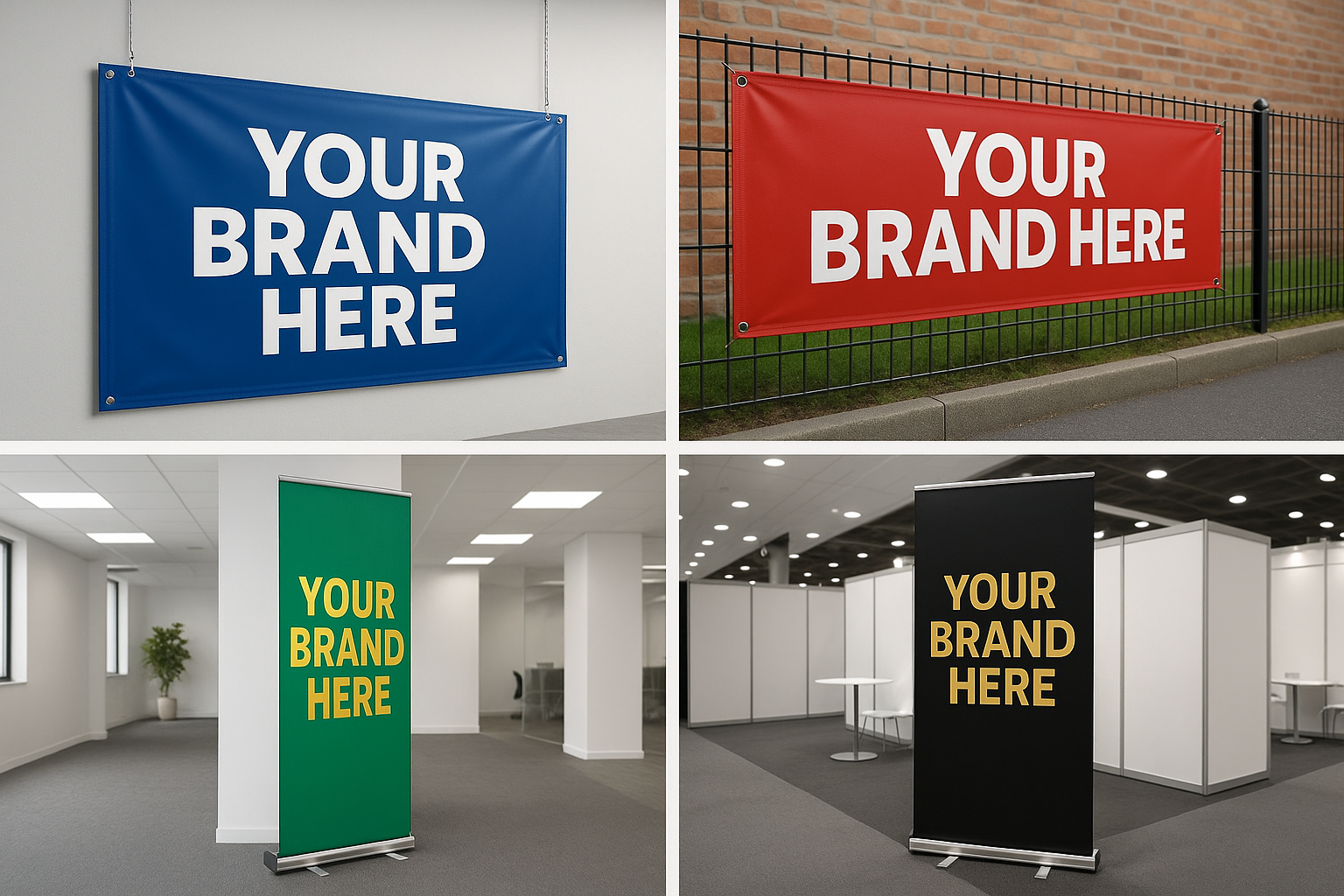
Vinyl banners. The workhorse of outdoor signage. Durable, waterproof, and affordable. Best for storefronts, job sites, fences, and building facades. Available with grommets for hanging or pole pockets for a cleaner display.
Mesh banners. Similar to vinyl but with tiny holes that let wind pass through. Best for locations with heavy wind, like fences along highways, construction sites, and parking structures. They reduce stress on the banner and the mounting points.
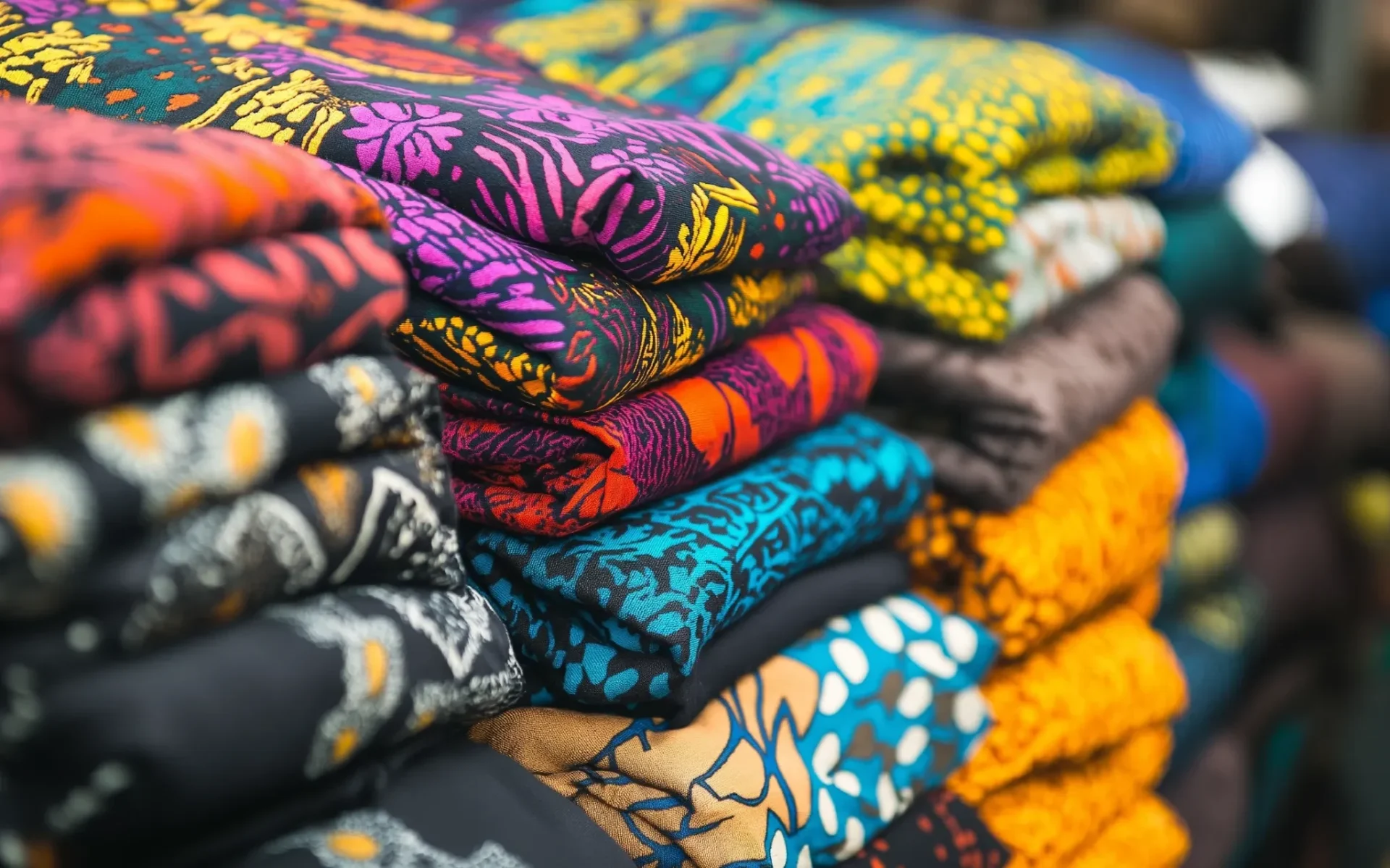
Fabric banners. Lightweight with a soft, matte finish and rich color. Best for indoor events, trade show backdrops, and retail displays. They fold up small for transport but fade faster in direct sunlight.
Retractable banners. Also called pull-up or roll-up banners. The banner retracts into a metal base and sets up in seconds. Best for trade shows, conferences, lobby displays, and pop-up events. Portable and professional.
Feather flags. Tall, narrow banners on a flexible pole that sway in the wind. Best for grand openings, car dealerships, sidewalk traffic, and outdoor events. Available in teardrop and blade shapes.
Step and repeat banners. Large backdrops with a repeating logo or pattern. Best for photo opportunities at events, press walls, sponsor displays, and red carpet setups.
Which Banner Material Should You Choose?
The material determines how long your banner lasts, how it looks, and where you can use it. Here is the breakdown.
- Vinyl (13 oz or 18 oz) — The standard for outdoor use. Waterproof, UV-resistant, and easy to clean. 13 oz is lighter and works for temporary displays. 18 oz is heavier and holds up longer in tough conditions.
- Mesh vinyl — Perforated vinyl that lets wind through. Slightly lower print quality than solid vinyl because of the holes, but far more durable in windy spots.
- Polyester fabric — Soft, wrinkle-resistant, and lightweight. Prints with vibrant, dye-sublimated color. Best for indoor use. Folds into a bag for easy transport.
If you are not sure, vinyl is the safe default. It works indoors and outdoors, lasts 2 to 5 years with proper care, and costs less than fabric or specialty options.
What Size Banner Do You Need?
Size depends on viewing distance and mounting location. Here are the most common sizes and where they fit.
- 2 x 4 feet — Small format for indoor walls, tables, or window displays
- 3 x 6 feet — The most popular size for general outdoor use. Readable from a moving car.
- 4 x 8 feet — Large format for building facades, fences, and high-visibility outdoor spots
- 33 x 80 inches — Standard retractable banner size for trade shows and events
- 8 x 8 feet or larger — Step and repeat backdrops for photo walls and event branding
A good rule for text size: make your letters at least one inch tall for every 10 feet of viewing distance. If someone will read your custom banners from 50 feet away, your headline text should be at least 5 inches tall.
How Do You Design a Banner That Gets Noticed?
According to the Out of Home Advertising Association of America, 88 percent of adults notice out-of-home ads, and 78 percent take action after seeing one. But that only works if the design is clean enough to read in a few seconds.
Follow these rules:
- One message, not three. Pick the single most important thing you want people to know. “Grand Opening Saturday” or “Free Estimates” or “Now Hiring.” Not all three at once.
- High-contrast colors. Dark text on a light background or light text on a dark background. White on blue, black on yellow, and white on red are reliable combinations.
- Bold, simple fonts. Sans-serif fonts read best from a distance. Avoid script, decorative, or thin fonts on banners.
- Your logo and one contact method. Phone number or website, not both. Keep it scannable.
- Breathing room. Leave margins around your text and graphics. A crowded banner is harder to read than a simple one.
If you need smaller, ground-level signage to complement your banner, custom yard signs work well as directional or secondary messaging alongside a larger banner display.
Banners Go Where Digital Ads Cannot
A social media ad disappears when someone scrolls past it. A banner stays put. It works 24 hours a day, it does not need a monthly budget, and it reaches people who are already in your area. For local businesses, that kind of visibility is hard to beat at any price point.
The businesses that get the most out of banners are the ones that keep them fresh. Rotate your message with the season, promote your next event, or highlight a new service. A single banner can pay for itself in a week.
Ready to Order Custom Banners?
The Logo Store prints custom banners for businesses, events, trade shows, and more. Vinyl, mesh, fabric, and retractable options are all available. We handle the design, printing, and finishing at our Austin shop.
Tell us what you need. Request a free quote and we will get back to you with sizing, material options, and pricing.
Frequently Asked Questions
How much do custom banners cost?
Pricing depends on the size, material, and finishing options like grommets or pole pockets. Small vinyl banners can start at $20 to $40. Larger formats, retractable stands, and fabric banners cost more. Most print shops provide free quotes so you can compare options before ordering.
What is the best material for an outdoor banner?
Vinyl is the most popular choice for outdoor banners because it is waterproof, fade-resistant, and affordable. For windy locations, mesh vinyl is a better option because it allows air to pass through and reduces stress on the banner. Fabric banners are best reserved for indoor or short-term outdoor use.
What size banner do I need?
The most common sizes are 3 by 6 feet and 4 by 8 feet for outdoor use. For trade show displays, retractable banners are usually 33 by 80 inches. For storefronts, 2 by 6 feet or 3 by 8 feet work well as window or wall-mounted options. Choose based on viewing distance and available mounting space.
How long do vinyl banners last outside?
A quality vinyl banner with UV-resistant ink typically lasts 2 to 5 years outdoors depending on sun exposure, wind, and weather conditions. Mesh banners last longer in windy areas because the material handles stress better. Bringing banners inside when not in use extends their life.
What file format should I use for a custom banner design?
Vector files like AI, EPS, or PDF are ideal because they scale to any size without losing quality. If you are working with photos or raster images, use high-resolution files at 150 DPI or higher at the final print size. Most print shops can help adjust your file if needed.
What is the difference between grommets and pole pockets?
Grommets are metal rings punched into the banner corners and edges for hanging with hooks, zip ties, or rope. Pole pockets are sewn sleeves along the top and bottom edges that slide onto a pole or rod for a clean, wrinkle-free display. Grommets are more versatile. Pole pockets look more polished.