
How to Care for Custom Embroidered Apparel So It Lasts for Years
Knowing how to care for custom embroidered apparel is the easiest way to protect the money you spent on it. Embroidered shirts, hats, and polos are durable by design. The thread is stitched directly into the fabric, which makes it more resistant to cracking and fading than most printed methods. But the wrong wash routine can damage that stitching faster than regular wear ever would. Follow these straightforward steps and your embroidered apparel will hold up through years of use.
Why Embroidered Apparel Needs Special Care
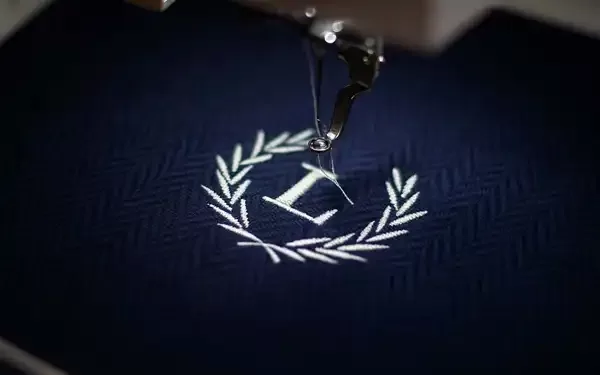
Embroidery is different from screen printing or heat press decoration. Instead of applying something on top of the fabric, embroidery stitches thread through the fabric layer by layer. That process creates a raised, three-dimensional design that looks and feels more substantial than a flat print.
That same structure also creates a few specific vulnerabilities. High heat can cause thread to warp or shrink. Direct ironing can flatten the raised stitching and remove the texture that makes embroidery stand out. Aggressive washing can snag thread loops, especially on dense or detailed designs. Understanding these risks makes the care steps below easy to follow.
How to Wash Custom Embroidered Apparel
Washing is where most embroidery damage happens. These steps cover the basics for shirts, polos, jackets, and most other embroidered garments.
- Turn the garment inside out before washing. This keeps the embroidered surface away from friction with other items in the drum. It also reduces pilling on the fabric face around the design area.
- Wash in cold water. Hot water weakens thread dyes and can affect the stabilizer material that sits underneath the embroidery. Cold water cleans effectively and causes far less stress on the stitching.
- Use a gentle or delicate cycle. Heavy agitation increases the chance of snags and thread pulls. A gentle cycle moves the garment through water more carefully and puts less stress on the design.
- Use a mild detergent. Detergents with bleach or harsh enzymes can fade thread colors over time. A color-safe, gentle detergent keeps the fabric and thread clean without breaking down the fibers.
- Keep embroidered items away from rough fabrics in the wash. Denim, canvas, and garments with exposed zippers or hooks can snag embroidery threads during the cycle. Wash embroidered pieces with similar lightweight items.
How to Dry Embroidered Apparel Without Damaging It
Heat is the most common cause of long-term embroidery damage, and most of that heat comes from the dryer. A few simple adjustments make a significant difference.
Air drying is the safest option for any embroidered garment. Lay the item flat or hang it to dry and you eliminate heat exposure entirely. This works especially well for structured hats, which can lose their shape in the dryer regardless of the heat setting.
If you need to use the dryer, keep these points in mind:
- Use the lowest heat setting available. Low or delicate heat is acceptable for most embroidered shirts and polos. High heat settings can shrink the garment and stress the backing material under the design.
- Remove the garment promptly when the cycle ends. Leaving embroidered items sitting in the dryer causes wrinkling and can press creases into the stitching.
- Never put structured hats in the dryer. Even low heat can distort the brim and reshape the crown in ways that cannot be reversed. Always air dry embroidered hats.
Can You Iron Custom Embroidered Apparel?
You can iron embroidered garments, but never place the iron directly on the embroidery. Direct ironing flattens the raised stitching and removes the dimensional look that makes embroidery stand out. It can also damage the thread or the backing material underneath.
To iron an embroidered garment safely:
- Turn the garment inside out so the embroidery faces down against the ironing board.
- Use a low to medium heat setting. High heat is not necessary and increases the risk of damage.
- Iron around the embroidered area rather than directly over it whenever the design placement allows.
- Place a thin pressing cloth between the iron and the fabric if you need to iron near the embroidery for any reason.
A garment steamer is often a better choice than an iron for embroidered pieces. Hold the steamer a few inches from the fabric and let the steam relax wrinkles without direct contact with the stitching.
How to Store Embroidered Apparel Between Wears
Storage habits affect the long-term condition of embroidered apparel more than most people expect. A few simple practices help your pieces stay in good shape between uses.
Always store embroidered garments clean. Dirt and moisture left in the fabric over time can cause thread dye to bleed into the surrounding fabric. Wash before storing any item you will not wear for an extended period.
Our custom embroidery services in Austin produce garments built to last, and proper storage helps them do exactly that.
- Fold loosely rather than hanging heavy garments for extended periods. Heavy embroidered outerwear hung on a thin hanger can stretch the fabric around the design over time.
- Store away from direct sunlight. UV exposure fades thread colors gradually. A dark closet or drawer is better than open shelving near a window.
- Use breathable storage options. Cotton garment bags allow air circulation and prevent moisture buildup. Sealed plastic bags trap humidity, which can cause mildew over time.
- Keep embroidered items away from rough surfaces. Snags from nearby items in a crowded drawer or closet can pull individual threads loose.
What to Do When a Thread Comes Loose
A single loose thread is a common and easy fix if you catch it early. The most important rule is simple: do not pull it.
Pulling a loose thread tightens a knot underneath the fabric that can pucker the surrounding stitching and distort the design. Instead, use small scissors to trim the loose thread as close to the fabric surface as possible. This stops the problem without disturbing the rest of the embroidery.
If a larger section of stitching has come unraveled, a professional embroidery shop can often repair it. The key is addressing it before additional wash cycles pull the loose section further apart. A small issue stays small when you act on it quickly.
Caring for Embroidered Hats Specifically
Embroidered hats need slightly different care than flat garments because of their structured shape. Most structured baseball caps should not go through a standard washing machine cycle. The agitation and heat can distort the crown and warp the brim regardless of the water temperature.
- Spot clean for minor dirt and stains. A damp cloth with a small amount of mild detergent handles most surface-level marks without affecting the hat’s structure or the embroidery.
- Hand wash for a thorough clean. Fill a basin with cool water and a small amount of gentle detergent. Work the water gently through the hat by hand, rinse thoroughly, and reshape before air drying.
- Air dry on a hat form or stuff lightly with a clean towel. This helps the hat hold its shape as it dries. Flat drying on a table works as well. Never put a structured hat in the dryer.
Need custom embroidery in Austin or San Antonio?
The Logo Store embroiders hats, polos, jackets, and more for businesses, teams, and organizations across Austin and San Antonio. Every order is handled in-house with fast turnaround times and rush options available.
Phone: (512) 505-8078 · Request a Quote
Ready to Order Custom Embroidered Apparel in Austin?
The Logo Store has provided custom embroidery services to businesses, schools, sports teams, and organizations across Austin and San Antonio since 2016. Every order is handled in-house, and our team helps you find the right garment, thread colors, and placement from the start.
Taking care of embroidered apparel is straightforward once you know the basics. Cold water, gentle cycles, low heat, and no direct ironing on the stitching cover the vast majority of what your pieces need to stay sharp for years. Request a free quote today and our team will get your order started.