
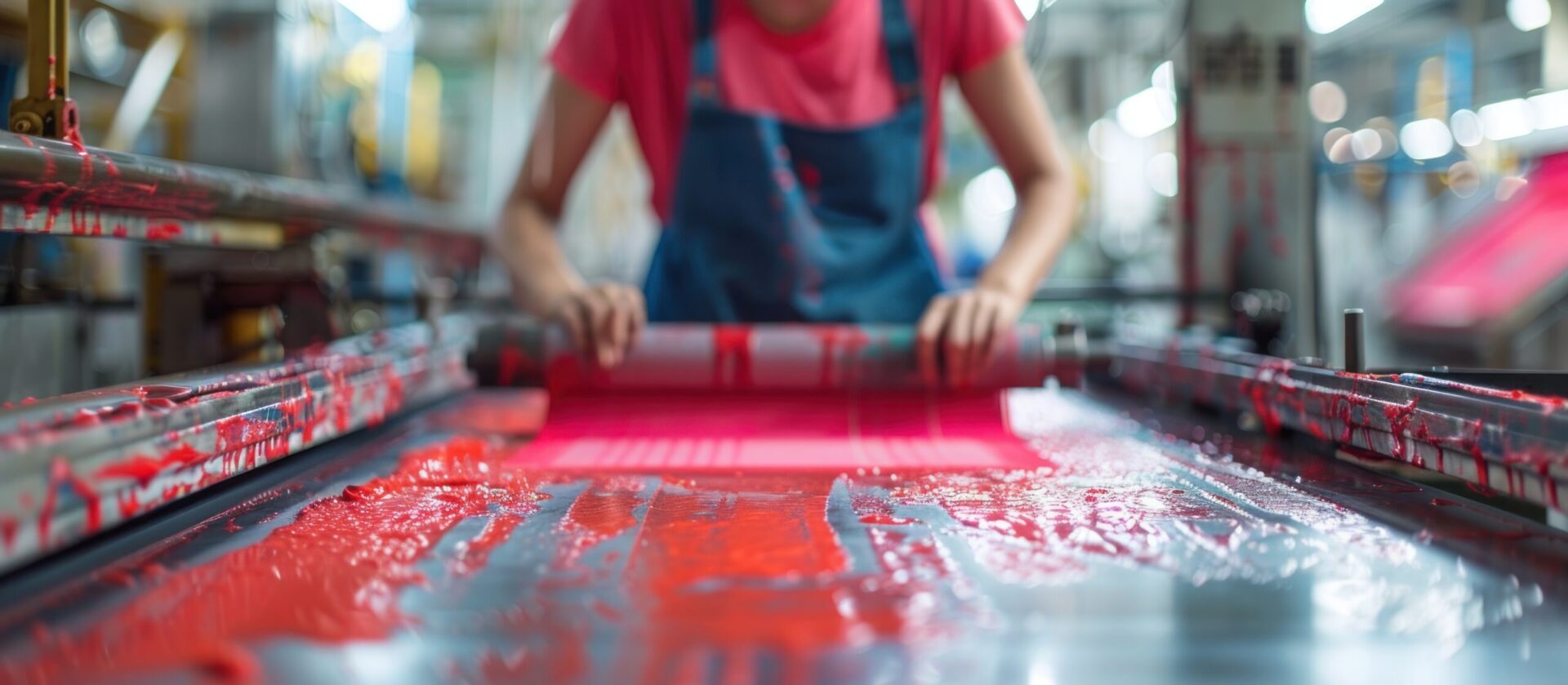
The Short Answer: Yes, you can screen print on polyester. It requires specialized low-bleed inks and lower curing temperatures to prevent dye migration, which is when the fabric’s dye bleeds into the printed ink and causes color shifts. A print shop experienced with polyester handles this routinely, but it is worth knowing how the process differs from printing on cotton so you get the results you expect.
Need shirts printed on polyester? Request a free quote or call (512) 505-8078.
Polyester is everywhere in custom apparel. Performance polos, moisture-wicking athletic shirts, jerseys, quarter-zips, and most Sport-Tek and Nike Dri-FIT styles are made from 100% polyester or polyester-dominant blends. If your team wears performance gear, there is a good chance you need to print on polyester.
The short version is that polyester prints well when the shop knows what it is doing. The longer version involves understanding one key challenge and how experienced printers solve it.
What Is Dye Migration and Why Does It Matter?
Dye migration is the main challenge when screen printing on polyester. It happens when the dye used to color the polyester fabric reactivates under the heat of the curing process and bleeds into the printed ink layer. The result is a color shift: white ink turns pink on a red shirt, or a bright logo looks muddy and discolored after curing.
This happens because polyester is dyed using disperse dyes that bond to the synthetic fibers at high temperatures. When a screen printer cures the ink (typically around 320 degrees Fahrenheit for standard plastisol ink), the heat can reactivate those dyes and cause them to migrate into the wet ink sitting on top of the fabric.
Cotton does not have this problem because cotton dyes are chemically different and do not reactivate at curing temperatures. That is why printing on cotton is more forgiving and why some print shops avoid polyester altogether.
How Do Print Shops Solve Dye Migration?
Experienced screen printers use a combination of specialized inks and adjusted processes to prevent dye migration on polyester.
Low-bleed inks. These are specially formulated plastisol inks designed to cure at lower temperatures than standard inks. By reducing the curing temperature, the polyester dyes are less likely to reactivate and migrate into the print. Low-bleed white ink is especially important because white is the color most visibly affected by migration.
Barrier base or gray underbase. Printing a barrier layer between the fabric and the design colors creates a shield that blocks migrating dyes from reaching the visible print surface. A gray underbase is sometimes used instead of white because gray naturally neutralizes the tint caused by any dye that does migrate through, making the shift far less noticeable.
Lower curing temperatures. Standard plastisol inks cure at around 320 degrees Fahrenheit. On polyester, printers reduce this to 270 to 300 degrees using inks formulated to fully cure at those lower temperatures. This narrower heat window requires more precise equipment and monitoring, but it dramatically reduces migration risk.
Flash curing adjustments. Multi-color prints require flash curing between color passes (a brief heat application to partially set each layer before the next is applied). On polyester, flash times and temperatures are reduced to avoid triggering migration during production.
Does Screen Printing on Polyester Look Different Than Cotton?
When done correctly, a screen print on polyester looks just as clean and vibrant as a print on cotton. The colors are bold, the edges are sharp, and the design holds up through washing.
There are a few subtle differences to be aware of. Polyester has a smoother, less absorbent surface than cotton, which means the ink sits more on top of the fabric rather than soaking into the fibers. This can give the print a slightly different hand feel (the texture you feel when you run your fingers over the design). On cotton, the ink absorbs and becomes part of the fabric. On polyester, it bonds to the surface, which can feel slightly thicker.
For most wearers, this difference is barely noticeable. The bigger factor in how a print feels is the quality of the ink and the skill of the printer, not the fabric type alone.
What About Polyester Blends?
Polyester-cotton blends (like 50/50 or 60/40 blends) are common in mid-weight t-shirts and polos. These blends are generally easier to print on than 100% polyester because the cotton content absorbs ink more readily and reduces the intensity of dye migration.
However, blends still contain enough polyester to cause migration if the printer does not use low-bleed inks. The safest approach is to treat any garment containing polyester as a polyester print job and use the appropriate inks and curing temperatures.
When Should You Choose Polyester Over Cotton for Custom Shirts?
Polyester is the right choice when the garment needs to perform beyond just looking good.
- Athletic teams and sports leagues need moisture-wicking fabric that pulls sweat away from the skin during activity. Cotton absorbs sweat and stays wet. Polyester wicks it and dries fast.
- Outdoor event staff working in Texas heat benefit from lightweight, breathable polyester that keeps them cooler than cotton through a full-day shift.
- Restaurants and hospitality staff wearing polos throughout a shift need wrinkle-resistant, easy-care fabric that holds its shape without ironing. Polyester blends handle that better than pure cotton.
- Corporate teams wearing branded polos to trade shows, conferences, and client meetings want a polished look that travels well. Polyester and polyester blends resist wrinkles in a suitcase or a car.
If your primary concern is softness and breathability in a casual setting, cotton is still the better choice. But for durability, moisture management, and wrinkle resistance, polyester wins.
Can You Screen Print White on Dark Polyester?
Yes, but this is where dye migration risk is highest. White ink on a dark polyester garment (red, navy, black, royal blue) is the combination most prone to color shifting because migrating dyes are most visible against a white background.
The solution is a low-bleed white ink combined with a barrier base layer and careful temperature control during curing. An experienced printer handles this routinely, but it is worth asking your shop about their polyester process before placing a large order on dark polyester blanks with white ink.
Get Your Polyester Shirts Screen Printed in Austin
The Logo Store screen prints on polyester, cotton, and blended fabrics at our South Austin shop. We use low-bleed inks, barrier bases, and adjusted curing processes to prevent dye migration and deliver clean, vibrant prints on performance polos, athletic shirts, and moisture-wicking apparel. Whether you need 24 polyester polos for your restaurant staff or 200 performance tees for a corporate 5K, we handle the process in-house with no outsourcing and fast turnaround.
Need screen printing on polyester?
The Logo Store handles polyester printing in-house with specialized inks and processes built for performance fabrics. No minimum orders, fast turnaround, and local pickup from our South Austin shop.
The Logo Store has been Austin’s go-to custom print shop since 2016, serving businesses, sports teams, schools, and event organizers across Central Texas.
Phone: (512) 505-8078 | Request a Quote
Related services: Screen Printing · Custom Shirts · All Print Methods