

Custom Yard Signs in Austin, TX for Every Occasion
Durable Custom Signs for Businesses, Real Estate, Events, and Schools
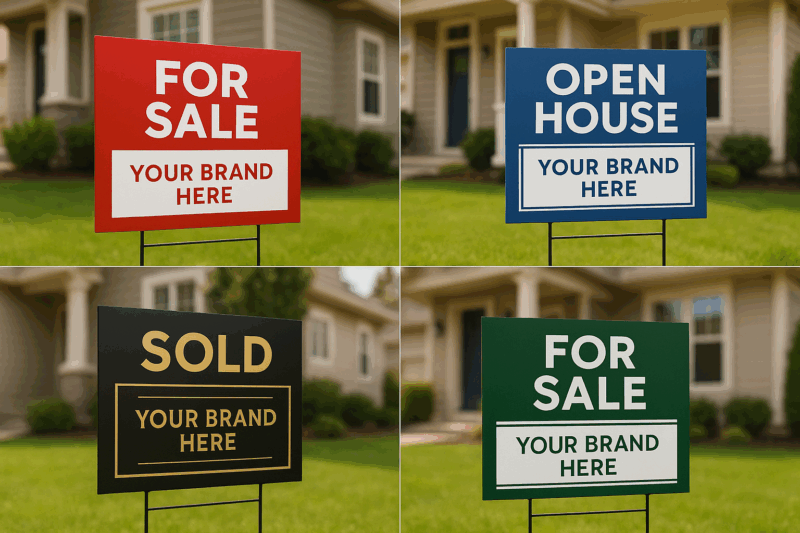
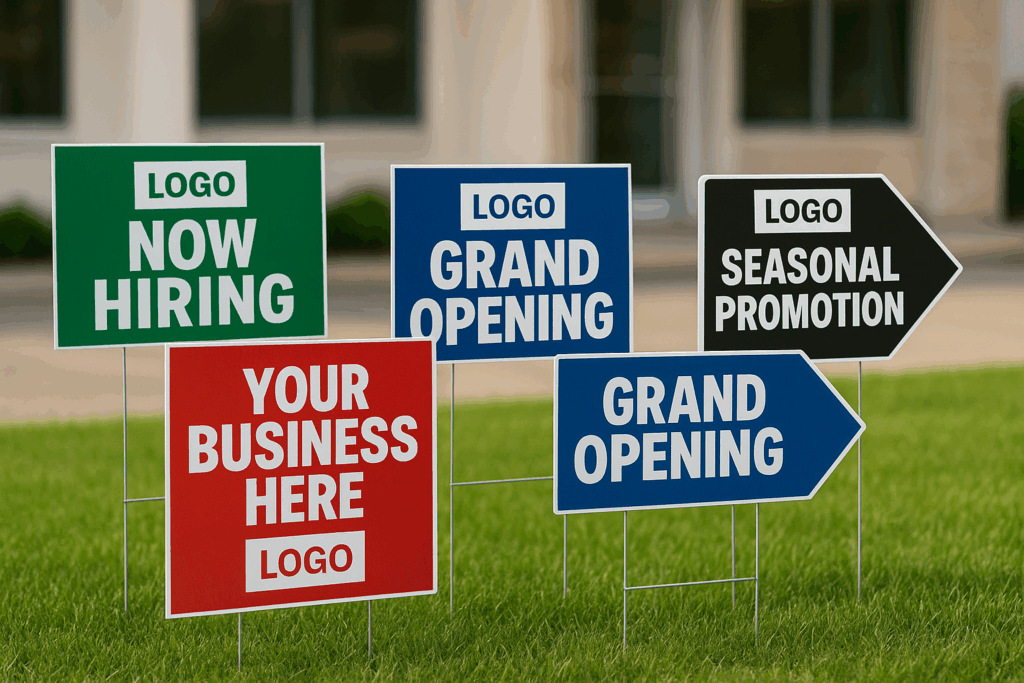
The Logo Store prints custom yard signs for businesses, real estate agents, schools, sports teams, and events, with full-color printing, durable coroplast and aluminum options, and local pickup from our South Austin shop.
Custom Yard Signs Options
Quality Brands for Every Style









Durable Yard Signs for Every Occasion
Personalized Graduation, Sports, Business, and Security Signs Made in Austin.
What Size Yard Sign Do I Need?
A Quick Guide to Choosing the Right Dimensions
Picking the right size for your custom yard signs can make the difference between getting noticed and getting ignored. The best size depends on where you plan to place them and how far away people will be when they read them.
Smaller signs like 12 by 18 inches work great for sidewalks, directional arrows, and areas with foot traffic. People walking by have more time to read, so a compact design works fine. These signs also cost less and fit well in tight spaces like flower beds or narrow lawns.
The standard 18 by 24 inch sign is our most popular size and the sweet spot for most projects. With large, bold lettering, it is easy to read from the street or a passing car. It balances visibility with affordability and fits standard H-stakes, so setup is quick and easy.
For busy intersections or long driveways, consider upgrading to 24 by 36 inches. This larger format grabs attention from drivers who only have a few seconds to read your message. Bigger signs may need heavier stakes or frames to stay upright in windy conditions. Our team can help you pick the right size based on your placement and budget.
Single-Sided vs Double-Sided Yard Signs: Which Should You Choose?
Comparing Your Printing Options for Maximum Exposure
When ordering custom yard signs, one of the first decisions you need to make is whether to print on one side or both sides. The right choice depends on where you plan to put your signs and who needs to see them.
Single-sided signs work best when your sign will sit against a wall, fence, or hedge where only one side is visible. They also make sense for tight budgets or spots where traffic only flows in one direction. You save a bit on printing, and the blank back stays hidden from view. Many businesses use single-sided signs for window displays or spots where the sign faces outward from a building.
Double-sided signs catch attention from both directions, which makes them ideal for front yards, corner lots, and event entrances. Since most yard signs sit perpendicular to the street, drivers and pedestrians see them from both sides throughout the day. A double-sided sign doubles your exposure without doubling your cost, and you only need one stake for installation.
For most lawn and roadside placements, double-sided printing is the better value. We offer both options and can help you decide which makes the most sense for your project.
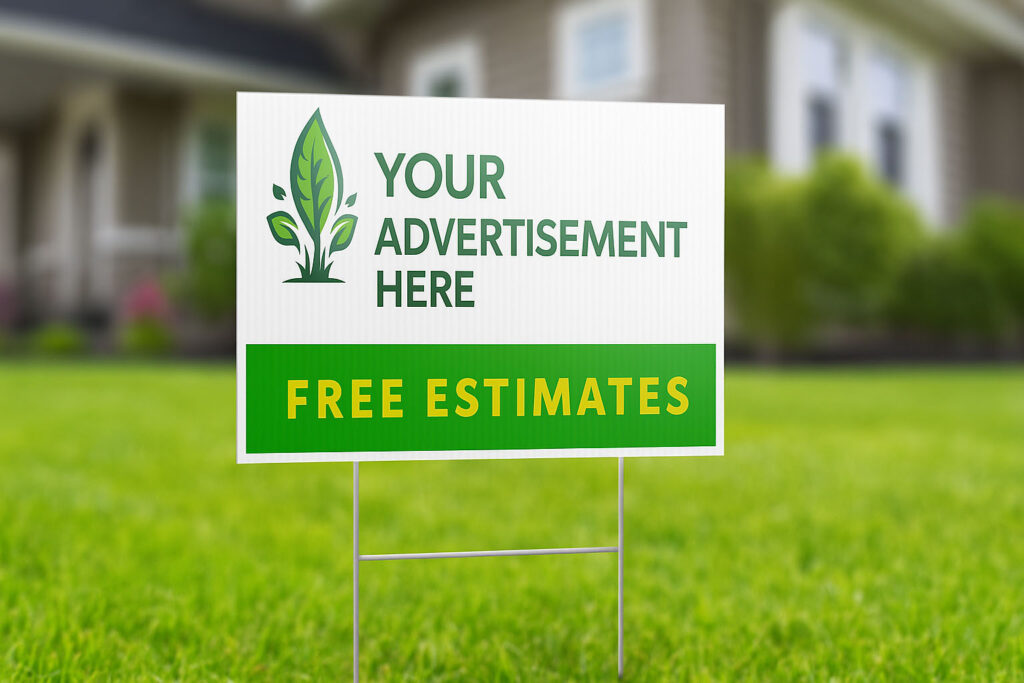
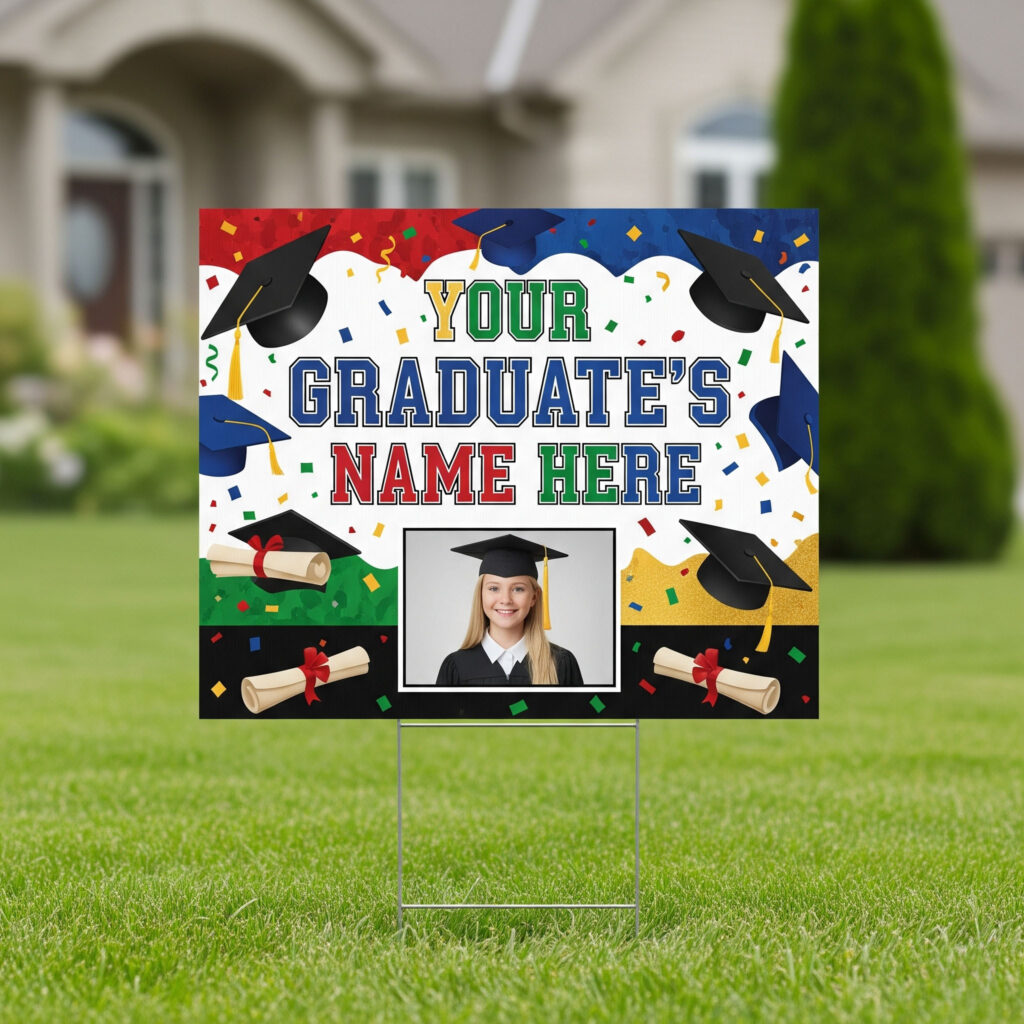
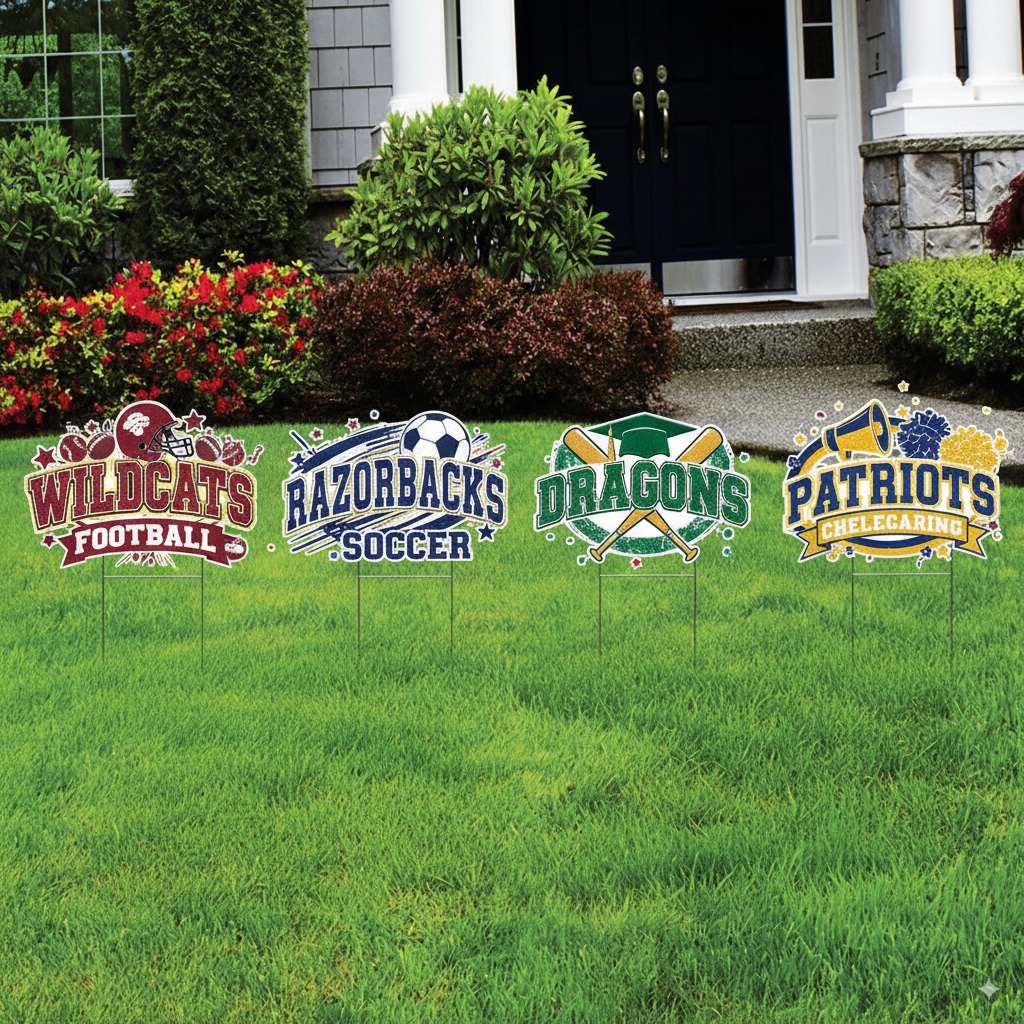
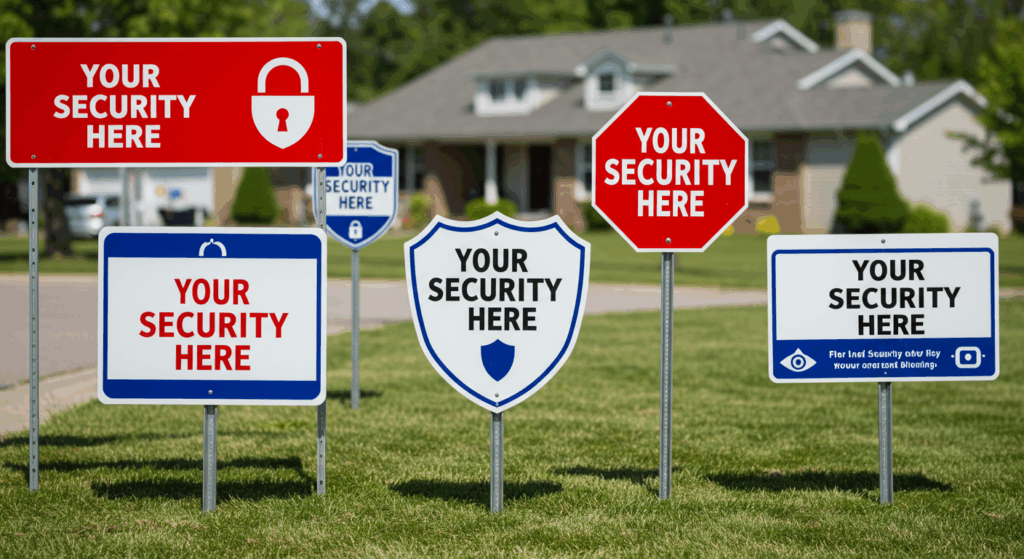
Yard Sign Materials, Quality & Durability
Coroplast vs Aluminum Signs: Which Material Lasts Longer?
Yard signs in Texas take a beating from sun, heat, and the occasional storm. We print on materials that can handle it, so your signs still look good weeks or months later.
Coroplast: Lightweight, affordable, and weatherproof. A good pick for events, sales, and anything short-term.
Aluminum: Heavier and longer-lasting. Better for real estate listings or signs that stay up for good.
We use UV-resistant inks so colors hold up in the Austin sun instead of fading out.
For mounting, we have everything from basic step stakes to heavy-duty frames that stay put when the wind picks up.
Whether it’s an open house in Travis Heights or a campaign sign on South Lamar, we will help you pick the right material and setup for how long your sign needs to last.
Yard Sign Placement Tips for Maximum Visibility
Where and How to Position Your Signs for Best Results
A great sign does not do much if nobody sees it. Where you put it matters just as much as what it says.
Start with traffic. A yard or lot near a stop sign, light, or busy corner works well, because drivers slow down long enough to read it. Keep signs clear of trees, parked cars, and anything else that blocks the view. Set them perpendicular to the road so people coming from both directions can see them.
Height and angle help too. Signs read best at about eye level or a little below. Angle the edges toward oncoming traffic instead of setting them flat along the curb. If you have a long stretch of frontage, put one sign at each end and one in the middle.
If your signs stay up for a while, move them around every few weeks. People stop noticing a sign they pass every day, and a new spot gets fresh eyes on it. Most cities, Austin included, restrict signs in medians and along the public right-of-way, so check the rules before you place them, and always ask before putting a sign on someone else’s property.

FAQs
Austin Custom Yard Signs
How much do custom yard signs cost in Austin?
Are graduation yard signs weatherproof?
Do you offer team or league packages?
What sizes of security yard signs are available?
Can I get double-sided printing on real estate signs?
What types of business promotions are yard signs used for?
Do I need a permit for yard signs in Austin?
“I have been working with Veronica on my jobs for about a year now. I reached out to a variety of printers with my unique request – applications to foldable tanning tents. The Logo Store was the only company that responded with a willingness to work with me, troubleshoot options with me, and ultimately find a solution to printing on my tents. Needless to say, I’ve been very happy with the outcomes and will continue to work with Veronica on all future projects!”