
As we move into 2025, the landscape of corporate branded apparel is evolving rapidly. Companies across the U.S.—including innovation-forward cities like Austin and San Antonio—are using branded clothing not only as a marketing tool but also as a way to express company culture, support sustainability, and empower employee engagement. Here are the top trends shaping this dynamic industry in 2025.
1. Sustainability as a Standard, Not a Trend
Sustainability has moved from a buzzword to a baseline expectation. In 2025, corporate buyers are prioritizing apparel that reflects environmental responsibility. Recycled polyester, organic cotton, and water-saving dyeing techniques are now common in branded apparel.
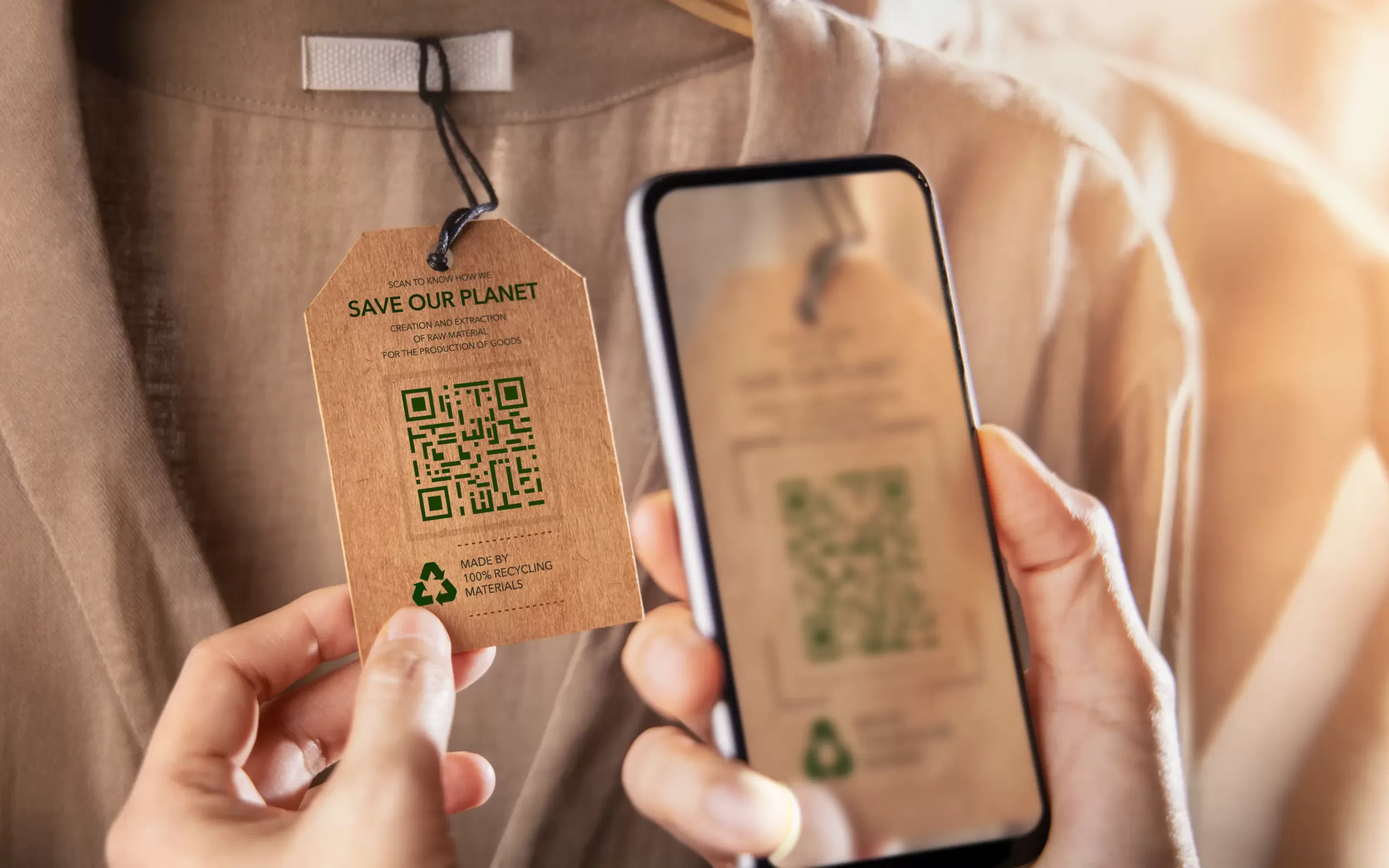
In Austin, known for its eco-conscious business community, companies are increasingly sourcing from local or regional suppliers who prioritize environmental stewardship. Many businesses are also including sustainability messaging on the clothing tags or packaging as part of their brand narrative.
Key indicators of this trend:
- Rise in demand for GOTS and OEKO-TEX certified materials.
- Growth in supplier partnerships that provide environmental impact reporting.
- Use of minimal or biodegradable packaging for branded merchandise.
2. Elevated Athleisure and Comfort-Centric Uniforms
The hybrid work era has left a lasting impression on what’s considered “workwear.” In 2025, branded corporate apparel is leaning heavily into athleisure—garments that balance casual comfort with a polished appearance.
Think moisture-wicking polos, jogger-style slacks, and full-zip fleeces that allow for movement and ease. Brands are opting for co-branded performance wear from recognizable athletic labels to appeal to both clients and employees.
San Antonio businesses, particularly those in healthcare and education, have embraced this shift, outfitting teams in branded gear that is equally suitable for fieldwork, campus events, or video calls.
Popular choices include:
- Branded quarter-zips and softshell vests.
- Jogger pants with subtle logo placements.
- Dual-logo collaborations with performance wear brands.
3. Inclusive Sizing and Gender-Neutral Designs
Another major trend for 2025 is inclusivity—both in sizing and styling. Companies are requesting corporate apparel lines that offer full-size ranges and gender-neutral cuts. This ensures that every employee, regardless of body type or identity, feels comfortable and represented in branded attire.
Corporate retailers are responding with collections that avoid overtly gendered fits and prioritize comfort, flexibility, and universal appeal. This has become especially important in Austin’s fast-growing tech sector, where startups emphasize belonging and equality.
Trends to watch:
- Extended sizing from XS to 5XL as a standard offering.
- Custom-fitted items based on employee profiles or pre-order data.
- Minimalist, unisex silhouettes that prioritize ease and inclusivity.
4. Localized Customization and Geo-Specific Branding
Companies with regional offices or strong local identities are using apparel to reflect geographic pride. In cities like Austin and San Antonio, this means tailoring designs to incorporate local landmarks, cultural motifs, or neighborhood nicknames.
Instead of a generic logo on a standard tee, businesses are requesting artwork that resonates with the local community—such as a downtown Austin skyline outline or San Antonio’s Mission-inspired elements. This localization builds emotional connections and boosts wearability.
Examples include:
- City-specific apparel drops for employee onboarding kits.
- Limited edition regional artwork for company events or conferences.
- Collaborative designs with local artists or illustrators.
5. Smart Fabrics and Wearable Technology
While still emerging, smart fabrics and tech-integrated apparel are starting to gain traction in the branded clothing space. From garments that regulate temperature to those embedded with NFC tags for virtual check-ins or promotions, 2025 marks the start of functional innovation in corporate apparel.
Event-based businesses in San Antonio have started to explore NFC-enabled shirts for seamless networking and data capture at conferences. Similarly, Austin tech firms are trialing smart polos with embedded sensors for health and posture monitoring.
Technologies to note:
- NFC chip patches embedded in sleeves or tags.
- Antimicrobial and moisture-wicking tech in everyday workwear.
- Thermoregulating fabrics used in outdoor staff uniforms.
6. On-Demand Fulfillment and Drop Shipping
The rise of remote and hybrid teams has transformed how branded apparel is distributed. Rather than bulk ordering and storing inventory, businesses are turning to on-demand printing and drop shipping models. This allows employees or customers to order branded items directly from a web portal, ensuring accurate sizing, style preferences, and delivery without administrative burden.
Austin startups and creative agencies are leading the way, integrating these systems into their intranet or HR platforms. It’s also a scalable solution for franchise businesses or nonprofits operating across Texas.
Benefits include:
- Reduced inventory waste and overstocking.
- Personalized packaging and kitting options.
- Seamless integration with e-commerce or HR tools.
7. Employee-Driven Design and Internal Brand Advocacy
Employees are increasingly seen as brand ambassadors. Companies are engaging them in the design process to boost buy-in and authenticity. Whether it’s voting on colors, slogans, or style options, employee-driven apparel fosters pride and unity.
This is especially evident in industries with high turnover or morale challenges, where personalized gear can become a cultural anchor. San Antonio’s hospitality sector, for example, has seen success with branded apparel programs that allow team leads to co-design seasonal wear.
Key components:
- Internal surveys or polls to gather style preferences.
- Design contests or co-creation sessions with employees.
- Reward systems tied to branded apparel participation or referrals.
Wrapping Things Up
The corporate branded apparel market in 2025 is smarter, more inclusive, and aligned with broader cultural values like sustainability and personalization. From Austin’s eco-tech corridors to San Antonio’s event-driven organizations, businesses are rethinking how apparel reflects not just their logo—but their mission, people, and place.
As these trends continue to develop, staying ahead means investing not only in clothing, but in brand experience. For companies looking to make an impact, 2025 offers more ways than ever to wear your brand with intention.