
There are moments when a printed logo just does not carry the weight your brand deserves. Picture a client walking into your downtown Austin office. Your sales team representing you at a conference in the Domain. Staff greeting customers at your Bee Cave location. The details matter in each scenario. Embroidery communicates something that ink on fabric simply cannot: permanence, professionalism, and pride.
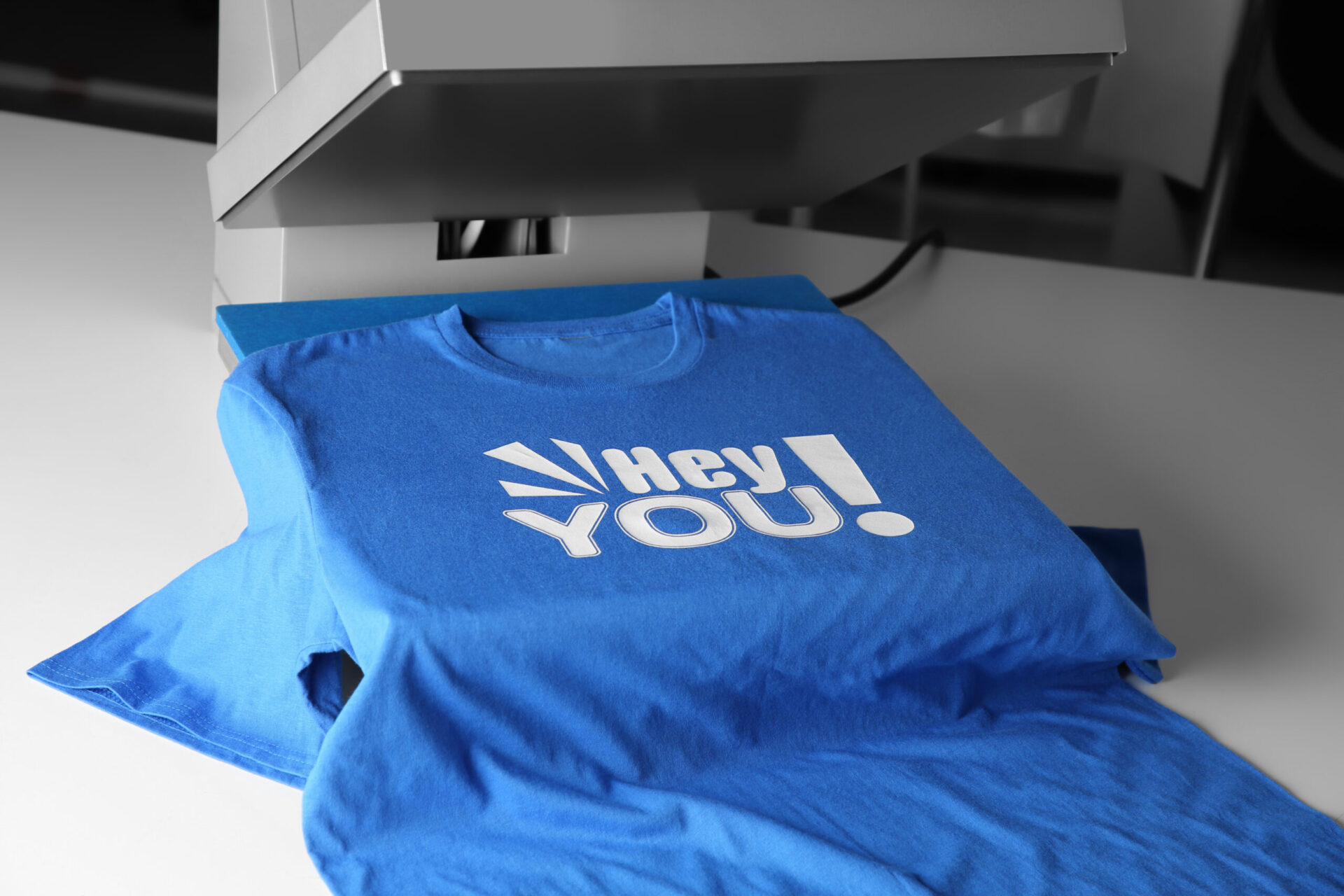
Screen printing has its place. It is cost-effective for large runs, perfect for event giveaways, and ideal for bold, colorful designs. But when you need apparel that signals quality and longevity, embroidery delivers in ways that printing cannot match. Stitched thread has texture you can feel. It outlasts thousands of washes. That polished appearance elevates even a basic polo into professional attire. These qualities make embroidery the right choice for certain applications.
This is not a comparison guide telling you which method is better. Blog posts that pit embroidery against screen printing miss the point. The real question is simpler: when does embroidery make sense for your Austin business, and what should you know before starting a project?
Why Austin Businesses Are Choosing Embroidery for Professional Apparel
Austin’s business landscape has shifted over the past decade. That tech corridor along 183? It brought corporate offices needing polished uniforms. East Austin’s restaurant boom created demand for staff apparel that handles kitchen heat while still looking sharp. Boutique fitness studios, medical practices, and professional services firms all pushed demand for embroidered apparel that conveys credibility at first glance.
Walk into any established law firm, dental office, or financial advisory practice in Austin. You’ll see embroidered polos and button-downs on the staff. There is a reason for that. Clients form impressions in seconds, and a crisp embroidered logo suggests that a business pays attention to details. It signals stability and investment in the brand. This perception matters everywhere—whether you’re pitching a client in the Arboretum or meeting a customer on South Congress.
The durability factor plays a role too. Austin’s summers are brutal, and staff apparel takes a beating. Embroidered logos hold up through repeated washing and daily wear in ways that printed designs cannot always match. Uniforms need to last a full year or more of regular use. The upfront investment in embroidery often makes more financial sense than replacing printed shirts every few months.
The Professional Edge: When Stitching Makes a Better Impression
Embroidery creates a tactile, three-dimensional effect that printed logos cannot replicate. When someone hands you a business card, you notice the quality of the paper stock. The same principle applies to apparel. An embroidered logo has texture and depth that catches light differently and creates a visual impression of substance.
This matters most in client-facing roles. Real estate agents showing homes in Westlake, consultants presenting to executives, healthcare professionals meeting patients, and hospitality staff greeting guests all benefit from the elevated appearance that embroidery provides. The message is subtle but clear: this business invests in quality.
Consider the difference between a printed polo and an embroidered one sitting side by side. The printed version looks fine initially, but after a few months of washing, the ink may crack, fade, or peel. The embroidered version maintains its appearance wash after wash, year after year. For businesses that see uniforms as part of their brand identity rather than disposable commodities, that longevity justifies the investment.
Best Use Cases for Embroidered Apparel in Austin
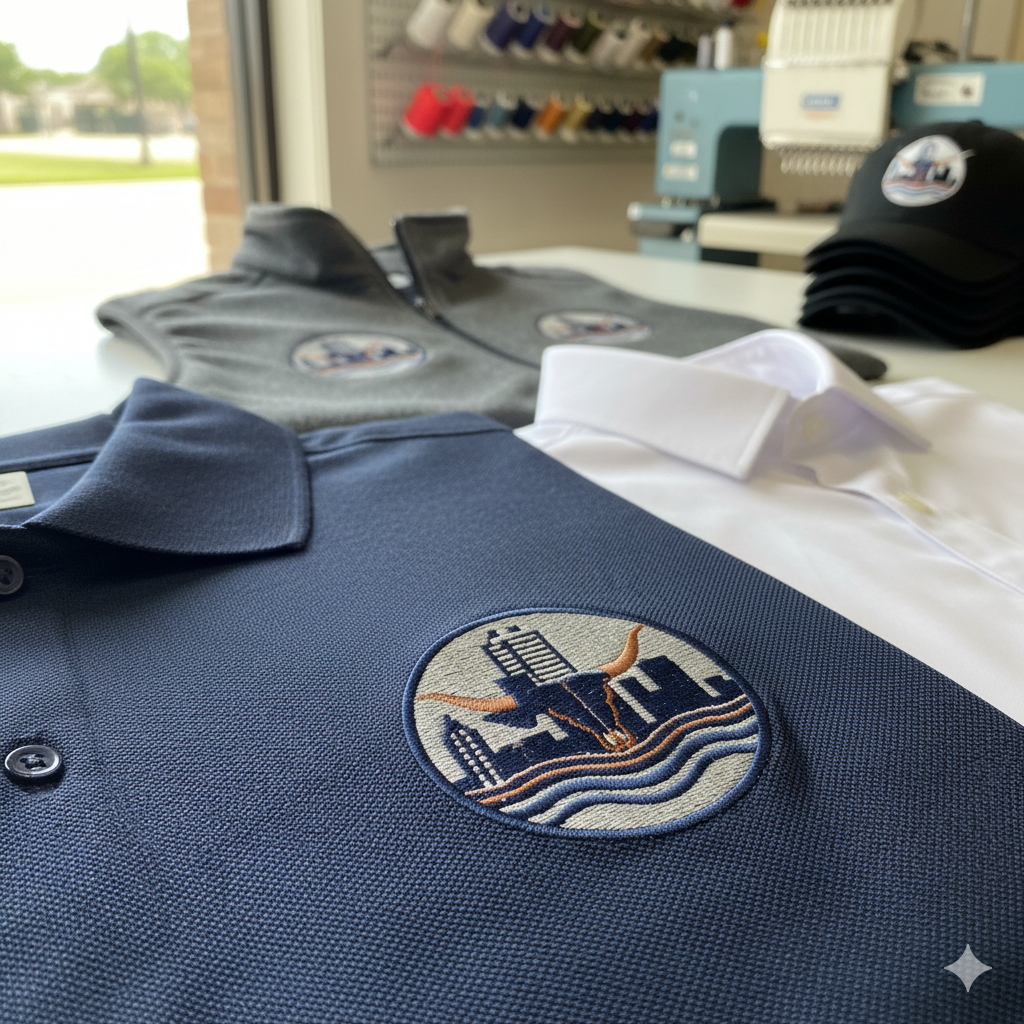
Certain applications call for embroidery almost by default. Corporate polos and button-down shirts for office environments benefit from the polished look that stitching provides. Outerwear like jackets, vests, and fleeces works exceptionally well with embroidery because the heavier fabric supports the thread weight and the dimensional effect stands out on these garments.
Headwear is another category where embroidery shines. Custom polo shirts and caps with embroidered logos have become standard for golf outings, outdoor events, and company retreats. The structure of a cap works perfectly with embroidery techniques, and the result looks far more premium than a printed alternative. Austin businesses hosting clients at golf courses around Barton Creek or team-building events at area parks regularly order embroidered hats as part of their
event merchandise. Medical scrubs, chef coats, and service industry uniforms also benefit from embroidery. These garments endure frequent washing at high temperatures, and embroidered logos withstand that treatment better than most printed options. If your staff needs apparel that maintains a professional appearance through demanding daily use, embroidery often makes the most practical choice.
Embroidery for Corporate Uniforms and Company Swag
The line between uniforms and company swag has blurred. Many Austin businesses now order branded company apparel that serves both purposes. An embroidered quarter-zip pullover works equally well as a staff uniform on casual Fridays or as a gift for valued clients. This dual-purpose approach stretches the value of each piece and reinforces brand visibility in multiple contexts.
Corporate swag programs have evolved beyond cheap giveaway items. Companies recognize that quality merchandise creates better impressions and actually gets used rather than sitting in a drawer. An embroidered fleece vest or premium polo becomes something recipients want to wear, turning them into walking brand ambassadors across Austin’s neighborhoods and beyond.
For employee onboarding, embroidered apparel signals that new hires are joining a company that values its brand and its people. There is something tangible about receiving quality embroidered gear on your first day. It creates a sense of belonging that a stack of printed t-shirts simply does not match.
The Local Advantage: Working with an Austin Embroidery Shop
Embroidery requires more precision than many realize. Thread colors need to match brand guidelines. Stitch density affects both appearance and durability. Placement on garments impacts how designs look when worn. These details matter, and they are difficult to communicate through an online order form or chat window. Working with professional embroidery services locally means you can see samples, approve proofs in person, and catch issues before production begins.
Local embroidery shops also understand Austin’s business environment. They know which garment brands hold up best in Texas heat. They understand the timing around South by Southwest when every business in town seems to need merchandise at the same time. They can advise on thread choices that work with your specific logo colors and offer alternatives when a design element does not translate well to stitching.
The ability to drop by, see your order in progress, and pick up finished goods without shipping delays or damage during transit makes local production practical for businesses operating on real deadlines. When your new hire starts Monday and needs embroidered polos ready, a local shop can often accommodate that timeline in ways that online ordering simply cannot.
What to Expect: Thread Counts, Colors, and Placement Options
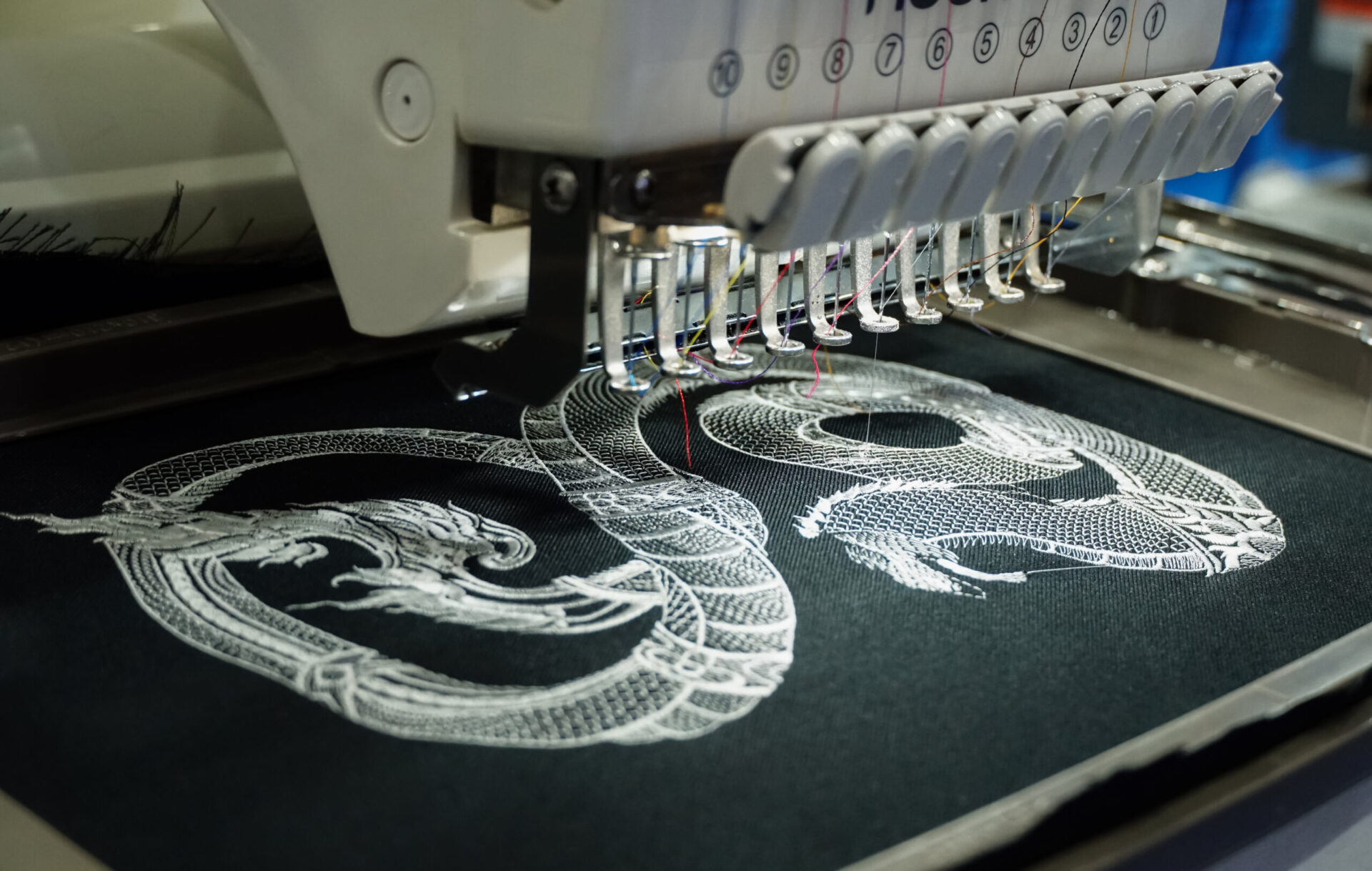
Embroidery projects start with digitization, the process of converting your logo into a stitch file that machines can read. This step is crucial because not every logo translates perfectly to thread. Fine details, thin lines, and complex gradients require adjustments. A reputable shop will review your artwork and recommend modifications if needed to ensure the embroidered result matches your expectations. When ordering custom polo shirts or other embroidered items, expect this consultation step.
Thread color matching follows industry standards with Pantone references, but real-world results can vary slightly based on thread brand and fabric color. Seeing physical samples against your actual garment choice eliminates surprises. Most shops offer standard placement options including left chest, right chest, sleeve, back yoke, and cap front, with exact positioning customizable based on your preferences.
Stitch count affects both price and appearance. Higher stitch counts create denser coverage and more vibrant results but increase production time and cost. Your shop should explain these tradeoffs clearly and help you find the balance that works for your budget and quality expectations.
Getting Started with Your Embroidery Project
The best embroidery projects start with a conversation rather than an online form. Bring your logo files, discuss your intended use, look at garment options, and review samples of thread colors and stitch quality. This process takes more time than clicking through an automated ordering system, but the results reflect that additional care.
Gather the basics before your consultation: your logo in vector format if possible, the approximate quantity you need, your timeline, and any brand guidelines around colors and placement. Knowing whether you need a one-time order or ongoing uniform replenishment helps shops structure pricing and production schedules appropriately.
Austin businesses have access to experienced embroidery shops that understand local needs and can deliver quality work on realistic timelines. When your brand demands the polished, durable impression that only stitching provides, finding the right local partner makes the difference between apparel that elevates your business and merchandise that falls short of expectations.