
The best printing method for custom t-shirts depends on three things — your design, your quantity, and your budget. Screen printing wins for most bulk orders with bold designs. However, heat press and embroidery each have their place depending on what you need. This guide breaks down every major method so you can make the right call before you order.
Why the Right Printing Method Matters
Choosing the wrong method can cost you money, slow down your timeline, or produce results that don’t match your vision. A full-color photographic design printed with the wrong technique can come out as nothing like the photo. A simple one-color logo run through an unnecessarily complex process wastes money.
The good news is that the decision isn’t complicated once you understand what each method does best. Let’s walk through them.
Screen Printing — Best for Bold Designs in Bulk
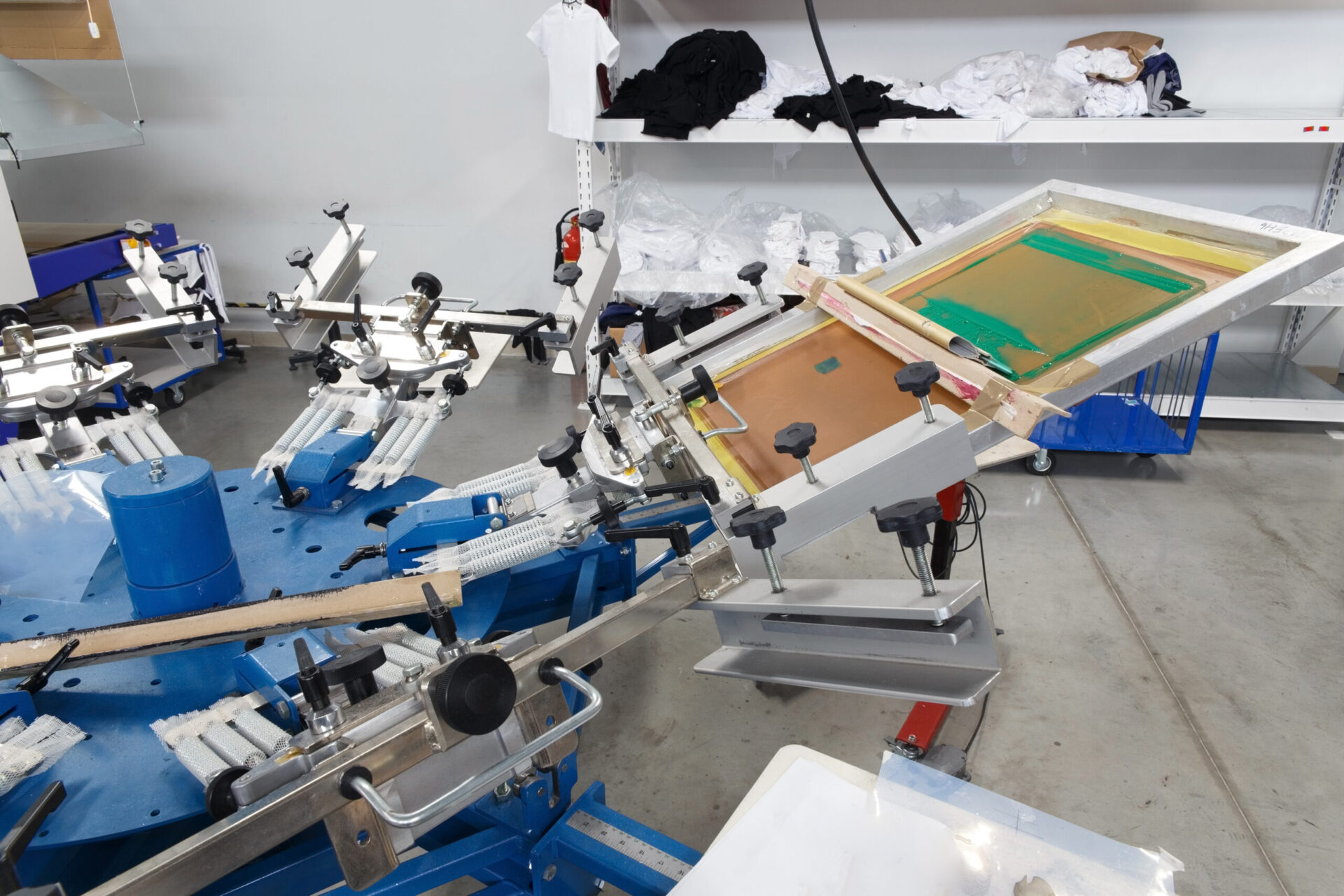
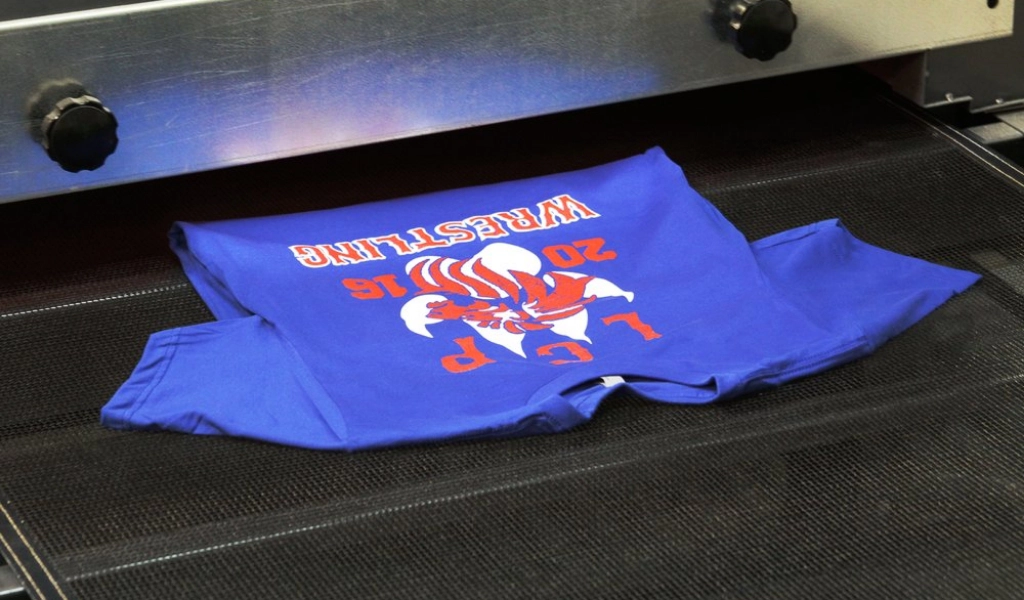
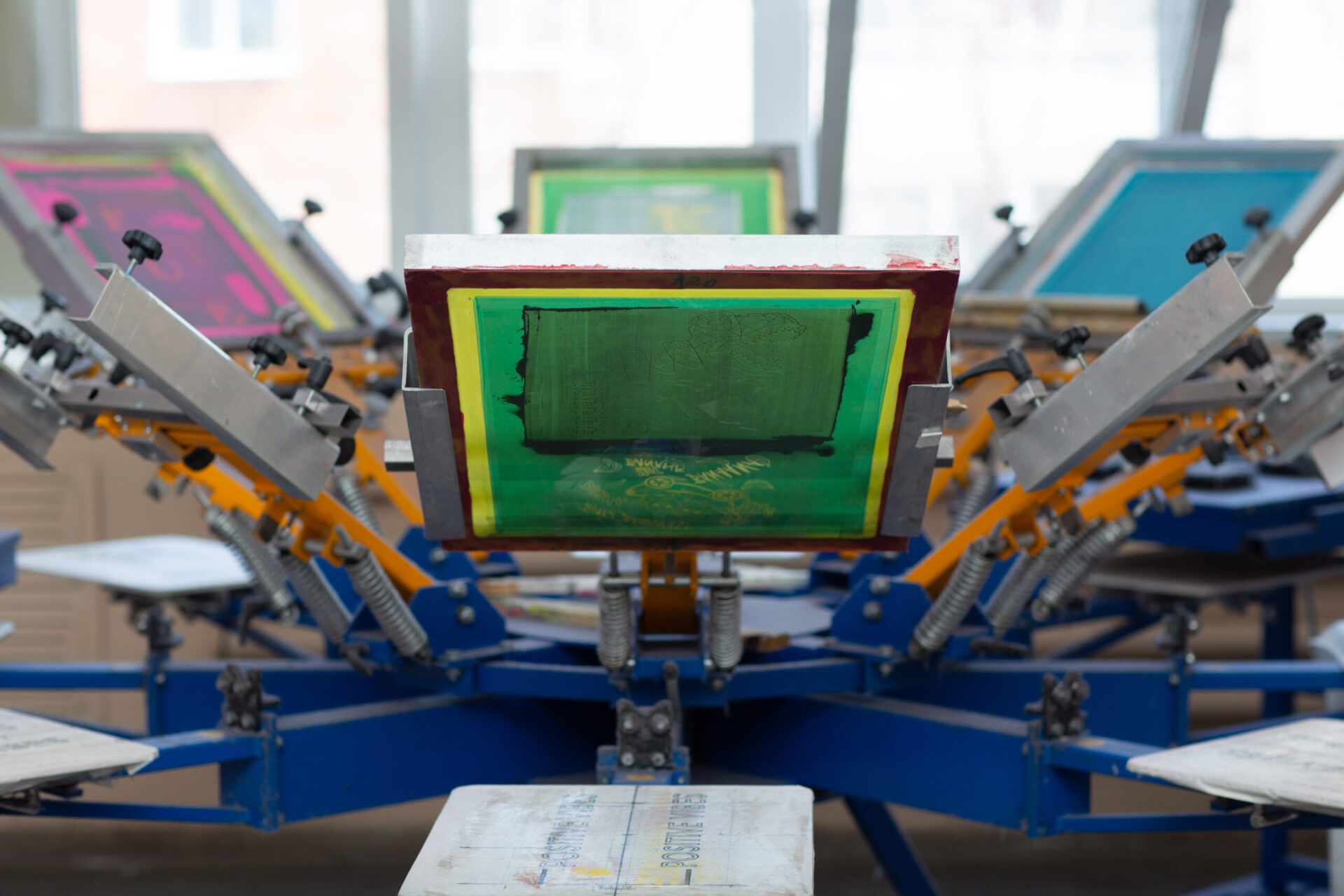
Screen printing is the most popular method for custom t-shirts for a reason. It produces vibrant, long-lasting prints by pushing ink through a mesh stencil directly onto the fabric. Each color in your design gets its own screen and its own press pass.
Screen printing works best when:
- You need 24 or more pieces
- Your design uses 1 to 6 solid colors
- You want prints that hold up through years of washing
- You need consistent results across a large order
The more shirts you print, the cheaper each one becomes. Setup costs are spread across the full run, which makes screen printing the most cost-effective option for team uniforms, event shirts, corporate apparel, and school orders.
The limitation: Screen printing is not ideal for photographic images, complex gradients, or very small quantities. If your design looks like a photograph, a different method will serve you better.
Heat Press — Best for Small Runs and Complex Colors
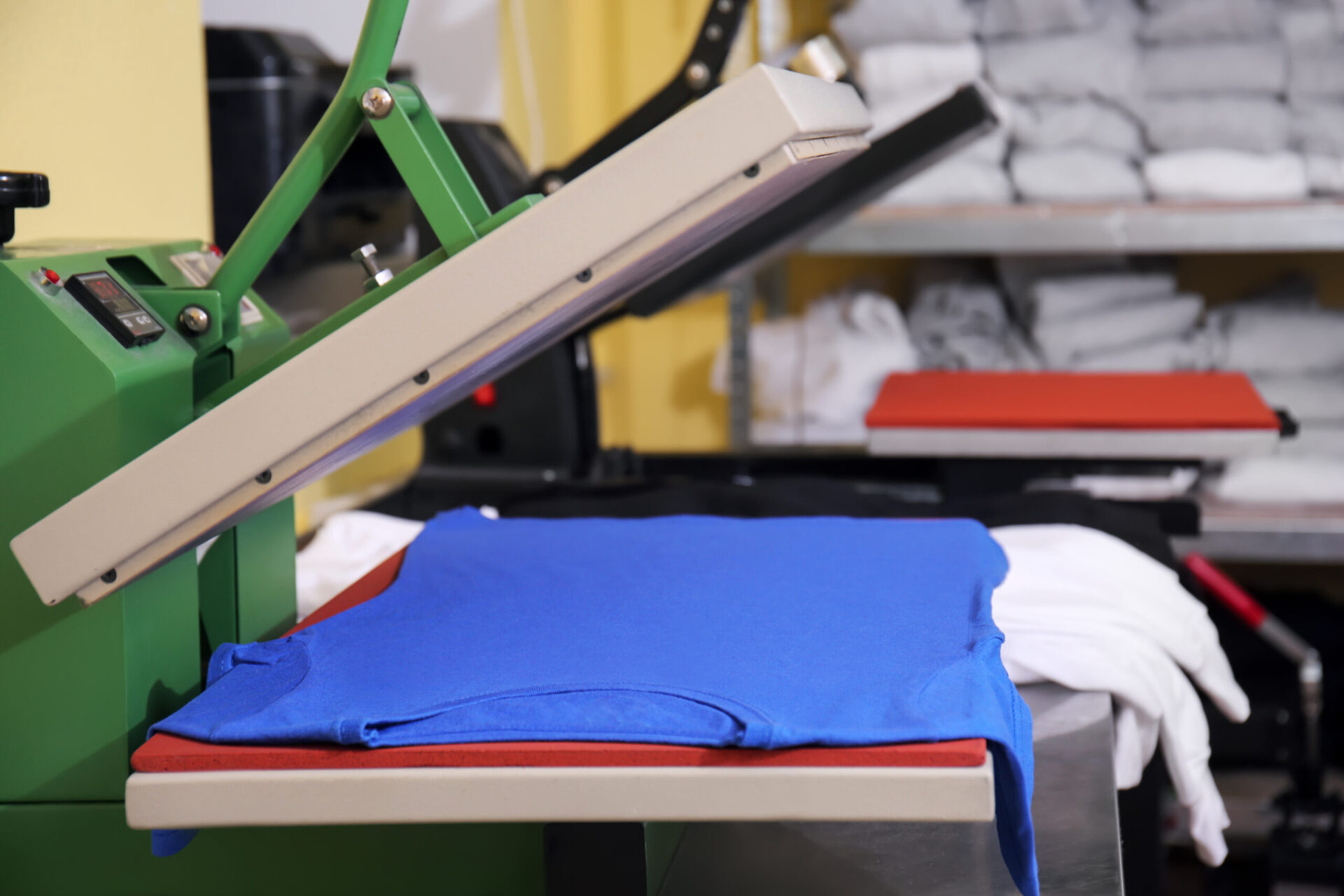
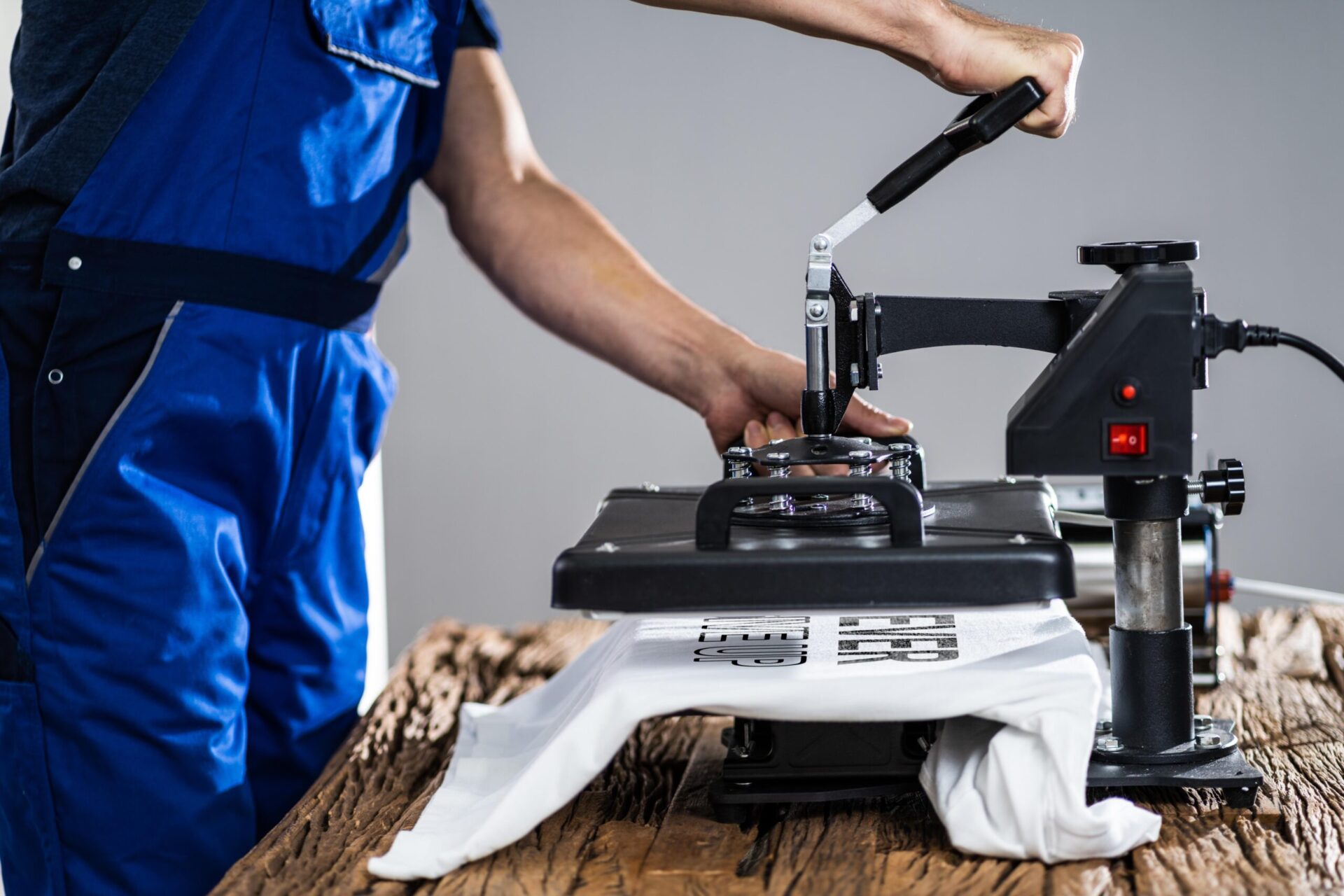
Heat press printing transfers a design onto fabric using heat and pressure. The design is printed onto transfer paper or vinyl and then pressed onto the garment. This method handles full-color designs easily because there are no per-color setup fees.
Heat press works best when:
- You need fewer than 24 pieces
- Your design includes multiple colors, gradients, or photographic detail
- You need a fast turnaround on a small batch
- You’re printing on items like hats, bags, mugs, or other non-flat surfaces
Heat press is a great starting point for new brands testing a design before committing to a large screen printing run. However, for bulk orders, the per-unit cost stays higher than screen printing because each piece requires individual pressing time.
Embroidery — Best for a Professional, Premium Look
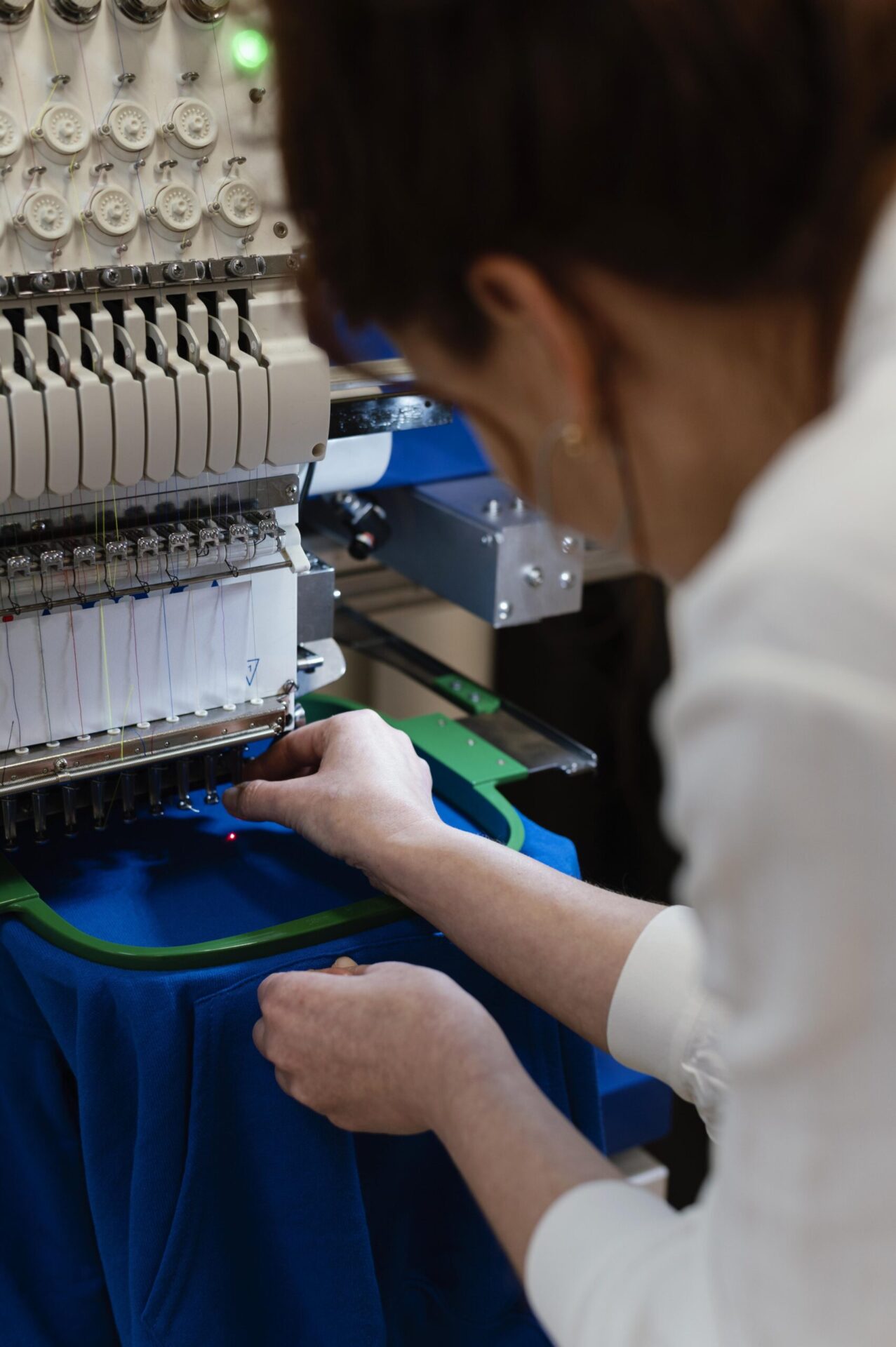
Embroidery works best for:
- Company polos, workwear, and uniforms
- Hats and caps
- Jackets and quarter-zips
- Logos with clean lines and limited colors
Embroidery is priced by stitch count and color count. Simple, clean logos translate beautifully. However, highly detailed artwork or thin text can be difficult to reproduce at smaller sizes. If your logo is clean and structured, embroidery gives it a premium feel that printing methods can’t replicate.
Laser Engraving — Best for Hard Goods and Gifts
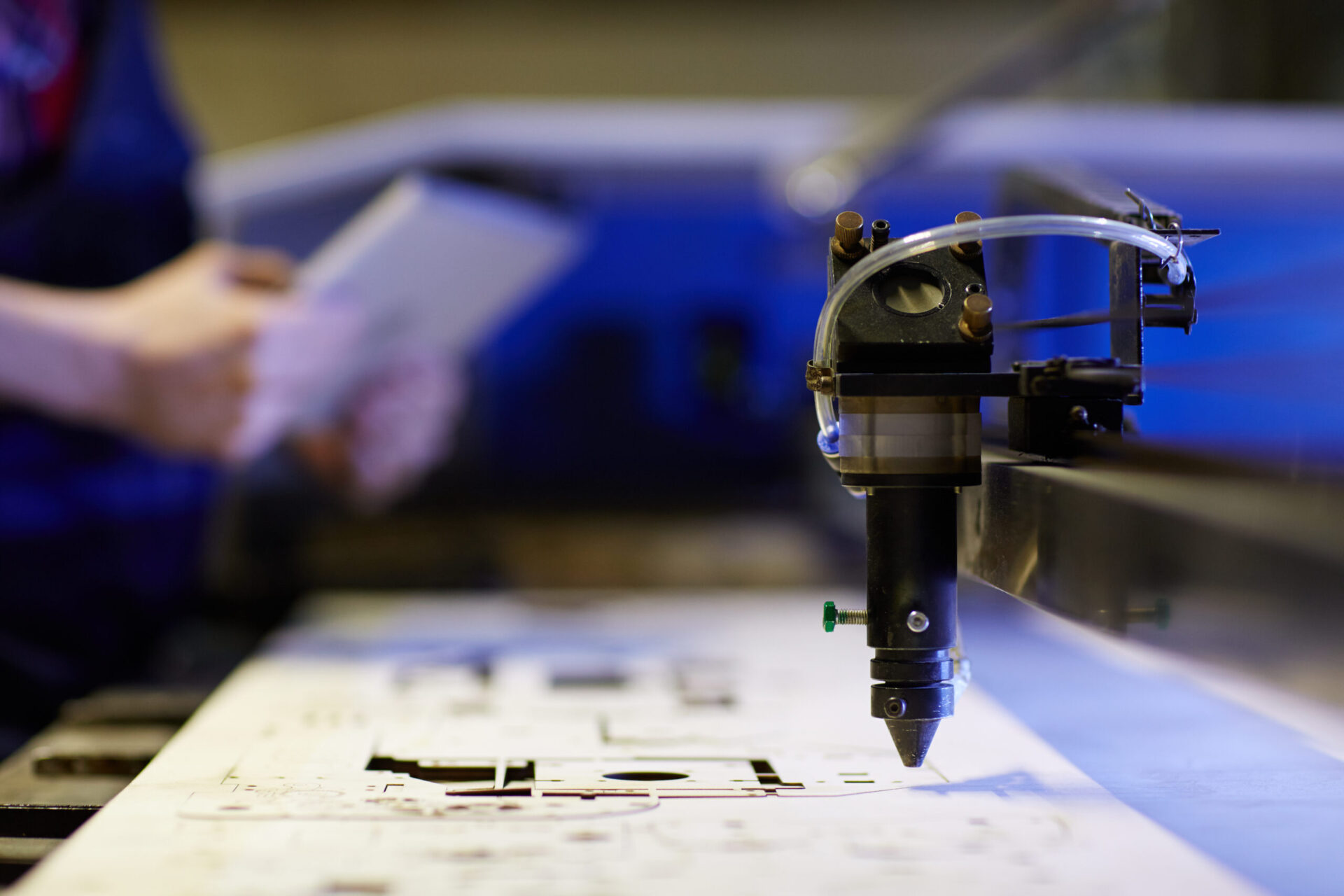
Laser engraving isn’t a t-shirt printing method, but it belongs in this conversation because many customers come to us needing branded products beyond apparel. Laser engraving etches your design permanently into wood, metal, ceramic, or glass.
Best for:
- Custom drinkware, mugs, and tumblers
- Trophies, plaques, and awards
- Branded gifts and employee recognition products
If your order includes both printed apparel and branded hard goods, we can handle everything in one place.
How to Choose the Best Method for Your Custom T-Shirts
Still not sure which method fits your project? Here’s a simple decision framework:
Choose screen printing if:
- Your order is 24+ pieces
- Your design uses solid colors
- You want the best price per unit on large runs
- You need bold, durable prints
Choose heat press if:
- Your order is under 24 pieces
- Your design has lots of colors or fine detail
- You need a fast turnaround on a small batch
Choose embroidery if:
- You want a polished, professional look
- You’re printing on polos, hats, or jackets
- Your logo is clean and structured
For a deeper look at how different printing methods compare across quality, cost, and durability, Printful’s guide to fabric printing methods is a solid resource to bookmark.
What About Minimum Order Quantities?
Screen printing requires a minimum order — typically 12 to 24 pieces — because the setup process takes the same amount of time regardless of how many shirts you print. Once the screens are made, additional shirts cost very little per unit.
Heat press and embroidery have no meaningful minimum. You can order a single piece if needed. However, for larger quantities, screen printing almost always wins on price.
Frequently Asked Questions
Which printing method lasts the longest on t-shirts?
Screen printing and embroidery both offer excellent durability. Screen printed designs last for hundreds of washes when properly cured. Embroidery can outlast the garment itself. Heat press prints have good durability but may show wear sooner with heavy use.
What’s the cheapest way to print custom t-shirts?
For large orders of 24 or more, screen printing is the most cost-effective method. For small orders of fewer than 12 pieces, heat press avoids the setup fees that make screen printing expensive at low quantities.
Can I mix printing methods on the same order?
Yes. For example, you might screen print a large graphic on the front of a shirt and add an embroidered logo on the sleeve or chest. Our team can advise on the best combination for your specific design.
Get a Free Quote From The Logo Store
The Logo Store serves businesses, schools, sports teams, and nonprofits across Austin and San Antonio, TX with professional screen printing, embroidery, heat press, and laser engraving services. Whether your order is 12 shirts or 1,200, our team will help you choose the right method, prep your artwork, and deliver on time.
Or call us directly at (512) 505-8078 — we’re happy to talk through your project and get you started.