
Most race directors pick the wrong water bottle for the wrong job. They order one tier — usually a generic squeeze bottle — and try to use it for hydration stations, finisher swag bags, and sponsor activations all at once. Each of those use cases wants something different, which is why “what’s the best water bottle for a marathon giveaway” is rarely a single-answer question. The honest answer is which combination of bottle types fits the runner experience your race wants to deliver. Below is what we recommend at our Austin shop based on hundreds of race orders, broken down by use case.
This is for race directors, sponsorship managers, and event marketing teams choosing the water bottle for race-day giveaways or finisher swag bags.
The Short Answer: What’s the best water bottle for a marathon giveaway? For race-day-during-run use, squeeze bottles ($1.50–3 each) are the right pick — cheap, lightweight, runner-friendly. For finisher take-home value, stainless steel insulated bottles ($10–20 each) feel premium and become daily-use items long after the race. For an in-between balance, collapsible silicone bottles ($4–7 each) hit the eco-conscious, packing-friendly niche. Most marathons use a combination: squeeze bottles at hydration stations along the course, and a premium take-home bottle (often stainless) in the finisher’s swag bag. Branding considerations: dishwasher-safe printing methods (laser engraving, sublimation) outlast standard printing on bottles that will be washed weekly.
Browse our custom drinkware options, request a quote, or call (512) 505-8078.
Squeeze Bottles — The Race-Day Workhorse
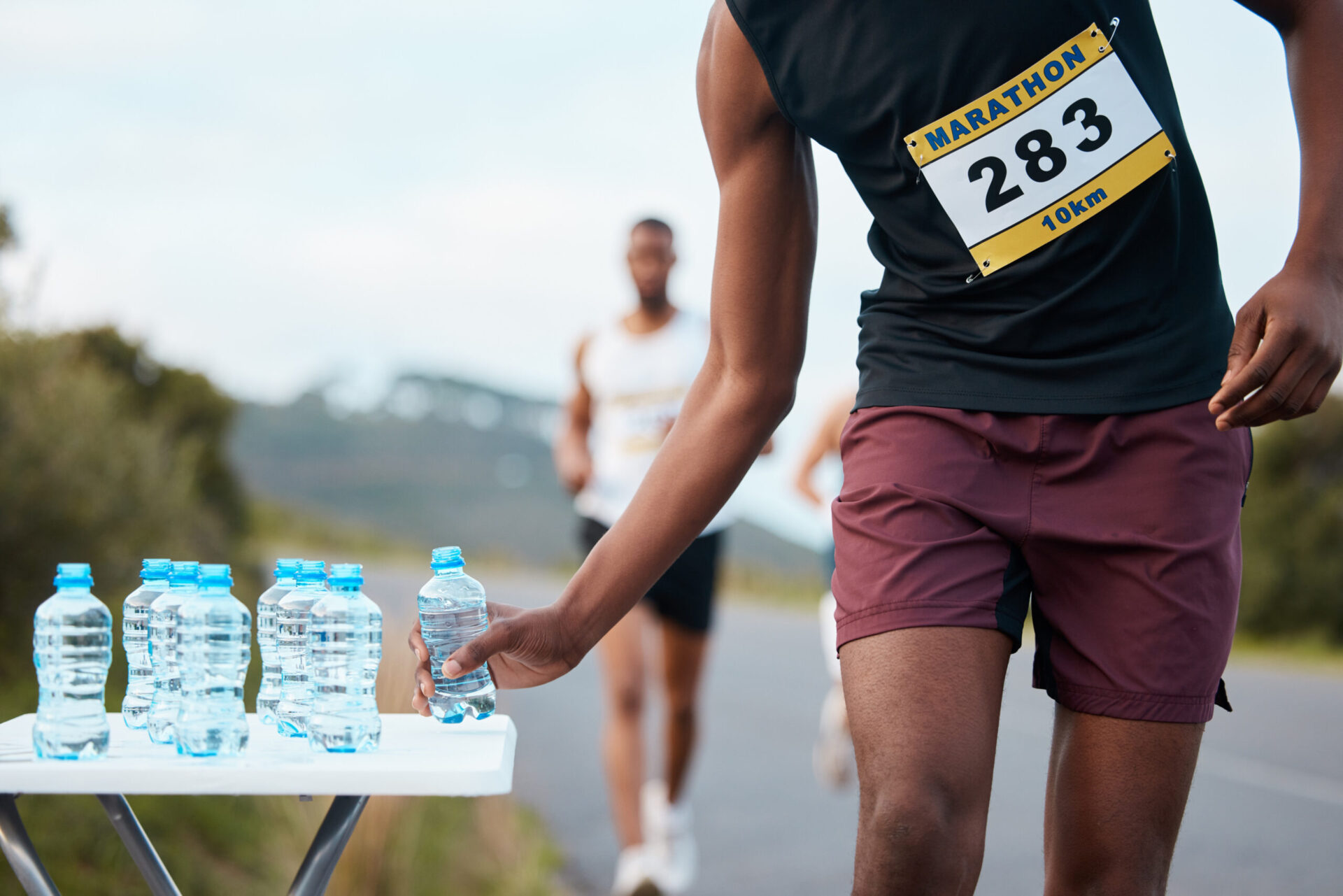
Squeeze bottles are the cheap, light, runner-friendly option that most marathons use at hydration stations and as casual giveaways. (Runner’s World covers what runners actually use mid-race.)
- Material: Soft plastic (LDPE), squeezable for one-handed drinking while running.
- Size: 20–28 oz typical. Lightweight enough to carry mid-race.
- Cost at race-quantity (500–5,000): $1.50–3 per unit, depending on quantity and customization.
- Branding: Single-color print on the side, race name and date. Multi-color options available for premium events.
- Durability: Single-use to short-term reuse. Most runners use them post-race for a few weeks then replace.
Use squeeze bottles for: hydration stations, mid-race giveaways, shorter races (5K, 10K), neighborhood and charity runs.
Stainless Steel Insulated Bottles — The Take-Home Premium
Stainless insulated bottles cost more but become genuine daily-use items for finishers — and that translates into your race brand sitting on someone’s desk for years.
- Material: Double-walled stainless steel, vacuum-insulated.
- Size: 16–25 oz typical for race giveaways. 32 oz for ultra-premium finisher gifts.
- Cost at race-quantity (500–2,000): $10–20 per unit, depending on size, color, and customization method.
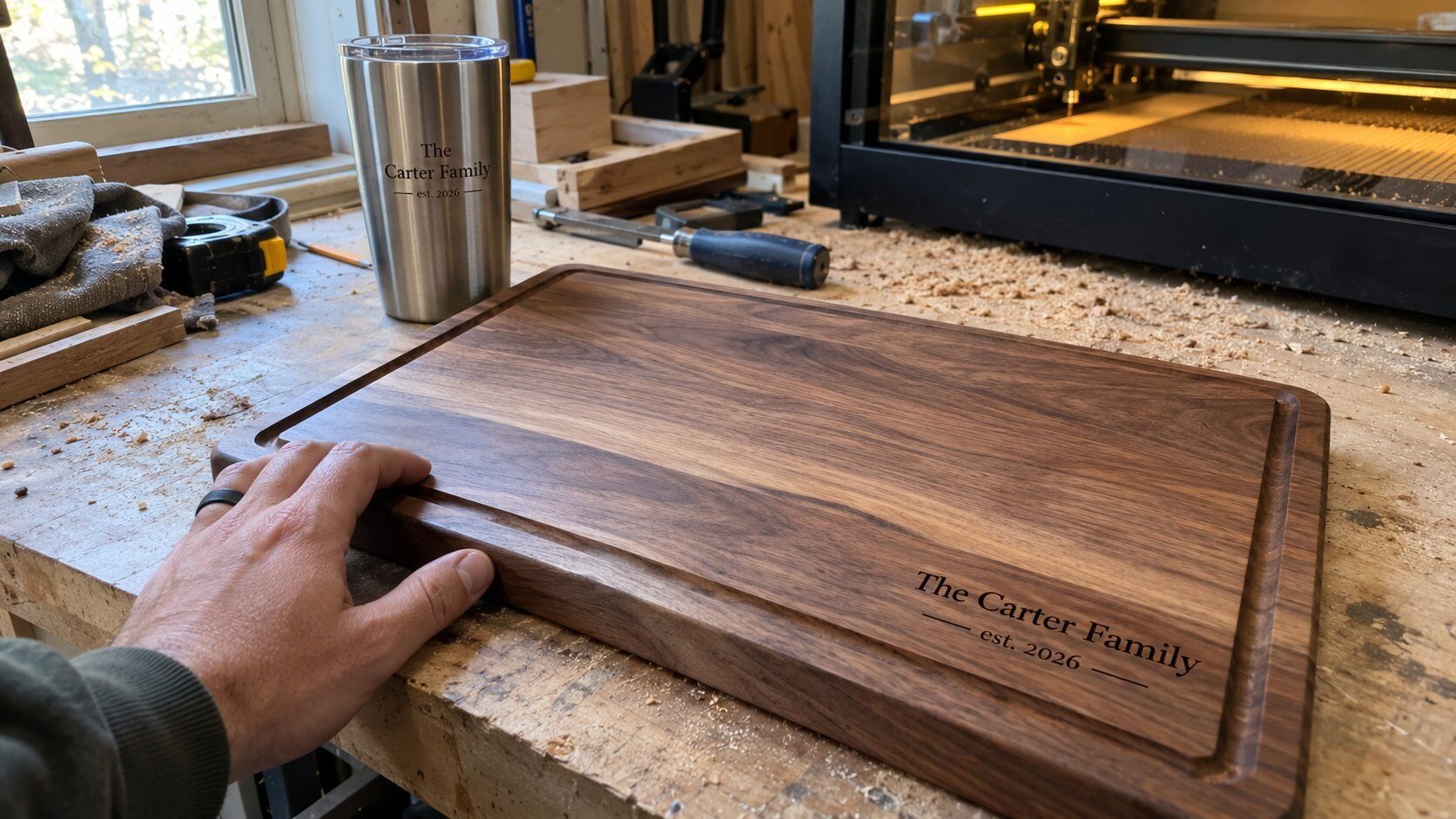
- Branding: Laser engraving (premium, permanent finish) or printed (full color, less durable). Engraved bottles outlast printed ones in the dishwasher.
- Durability: Years of daily use. Many runners describe finisher stainless bottles from past marathons as their primary water bottle for years afterward.
Use stainless steel for: marathon finisher swag bags, half-marathon premium tier, premium sponsor activations, finisher medals + bottle combo packages.
Collapsible Silicone Bottles — Eco-Conscious and Packing-Friendly
Collapsible silicone bottles fold flat when empty, making them packing-friendly for runners traveling to the race or carrying in race belts.
- Material: Food-grade silicone, sometimes with hard-plastic spout.
- Size: 12–20 oz when filled.
- Cost at race-quantity: $4–7 per unit.
- Branding: Direct-print on silicone surface or printed sleeve.
- Durability: Several years with proper care. Less mainstream than squeeze or stainless, which means runners notice them.
Use collapsible silicone for: eco-themed races (Earth Day runs, sustainability-focused events), trail races where pack weight matters, premium destination races where travel-friendliness adds appeal.
Sport-Top vs. Straw vs. Flip-Top — Usability Mid-Run
The lid type matters more than runners realize. Pick based on how runners will actually use the bottle:
- Sport top (push-pull): Most race-friendly. One-handed operation, no spillage, drink while moving. Standard for squeeze bottles.
- Straw / built-in straw: Easier hydration without tilting head back. Less common in giveaway bottles. Better for premium tumblers used at expo and post-race rather than during the race.
- Flip-top (carabiner cap): Premium feel, but requires two hands. Best for take-home bottles, not race-day use.
- Screw-top: Avoid for race-day. Two hands required, slow to open during a run. Fine for premium take-home stainless bottles.
Branding Methods That Survive Dishwashing
Race-day bottles get washed often. Branding choice affects how long the print lasts:
- Laser engraving: Permanent. Best for stainless steel premium bottles. Reveals the underlying material color.
- Sublimation printing: Bonds dye into the surface. Dishwasher-safe. Best for full-color designs on white or pastel-coated bottles.
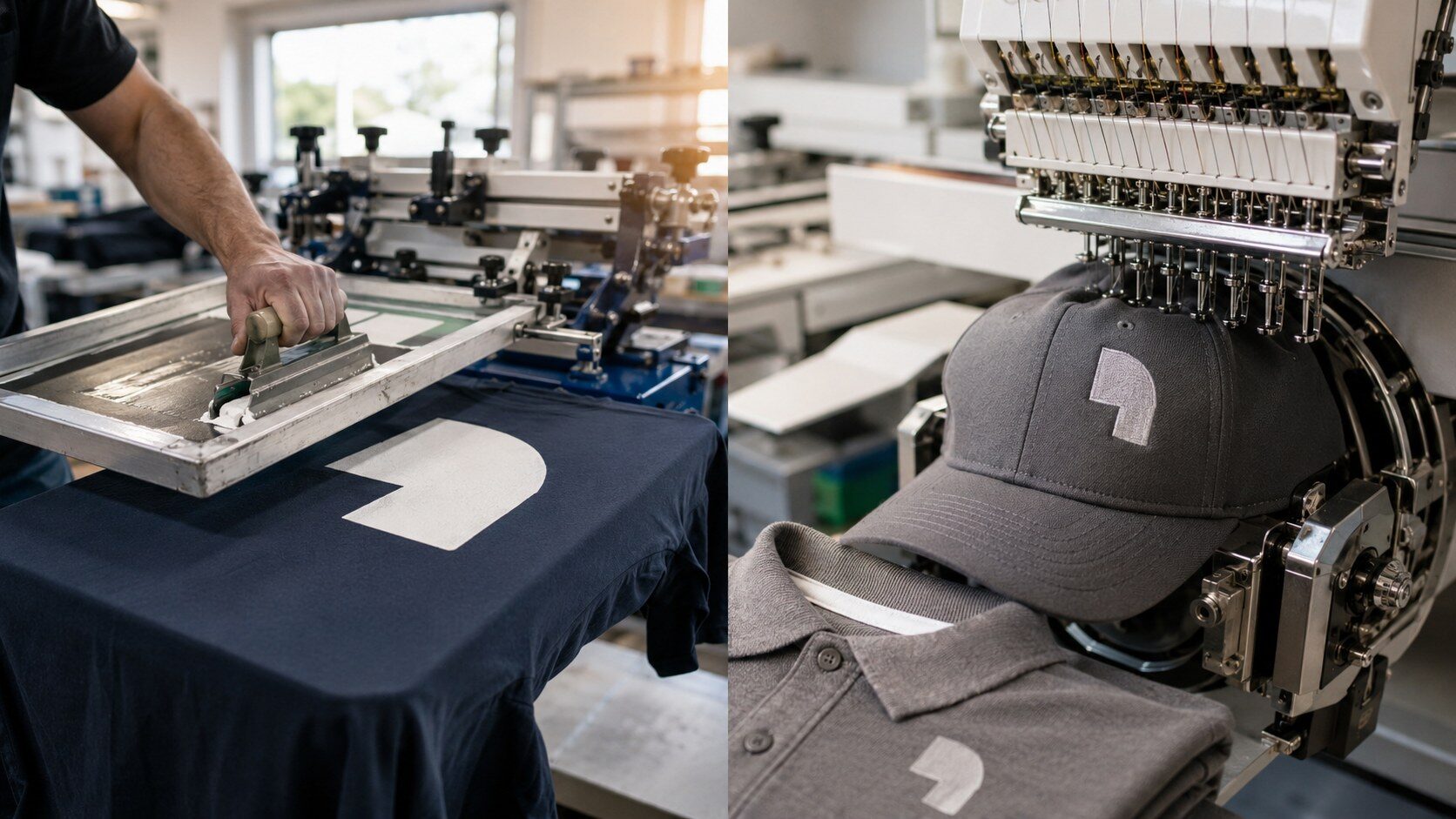
- Screen printing on plastic squeeze bottles: Standard, hand-wash recommended for longevity. Print holds for 1–2 years of regular use.
- UV digital printing: Full-color, applied via UV-cured ink. Holds up to 1–2 years of dishwasher cycles before fading.
- Vinyl or printed sleeves: Easiest to design, least durable. Holds up for 6–12 months.
Race Director Cost-Per-Finisher Math
For race directors planning the bottle budget (referenced against Road Runners Club of America race director resources), common breakdowns by event size and tier:
- Small local 5K (200–500 runners): Squeeze bottles at $1.50–2 each. Total bottle budget: $300–1,000.
- Mid-size half-marathon (1,000–3,000 runners): Squeeze for hydration stations + collapsible for finisher tier. $4–7 per finisher takeaway. Total: $4,000–21,000.
- Major marathon (5,000+ finishers): Squeeze at stations + premium stainless for finisher swag. $10–18 per finisher take-home. Total: $50,000–90,000+ on premium bottles alone.
- Sponsor-funded tier: Many premium bottles are co-branded with a title sponsor that absorbs most or all of the bottle cost.
For Austin-specific race resources, Austin Marathon’s sponsor resources document common sponsor activations.
Frequently Asked Questions
How early should I order race bottles?
For mid-size to large races (1,000+ runners), order 8–12 weeks before race day. Premium stainless bottles often have 6+ week lead times due to imprint and engraving complexity. Squeeze bottles in standard configurations can sometimes be done in 3–4 weeks.
Can I get sponsor logos on the bottle alongside the race name?
Yes — co-branded designs are common. Plan logo placement and sizing with the sponsor before printing. Stainless bottles support multi-logo designs through engraving or printing.
What’s the typical sponsor activation around bottles?
Sponsors typically request: their logo on the bottle, branded display at the bottle distribution station, and inclusion in the runner’s race-day email confirmation. Bottle giveaways generate strong photo and social-media value for sponsors.
Can I get bottles in race-color matching?
Yes. Stock colors include all standard race palette (black, white, navy, kelly green, royal blue, red). Custom color matching is possible at higher minimums and lead times.
What about bottles for race day shirts?
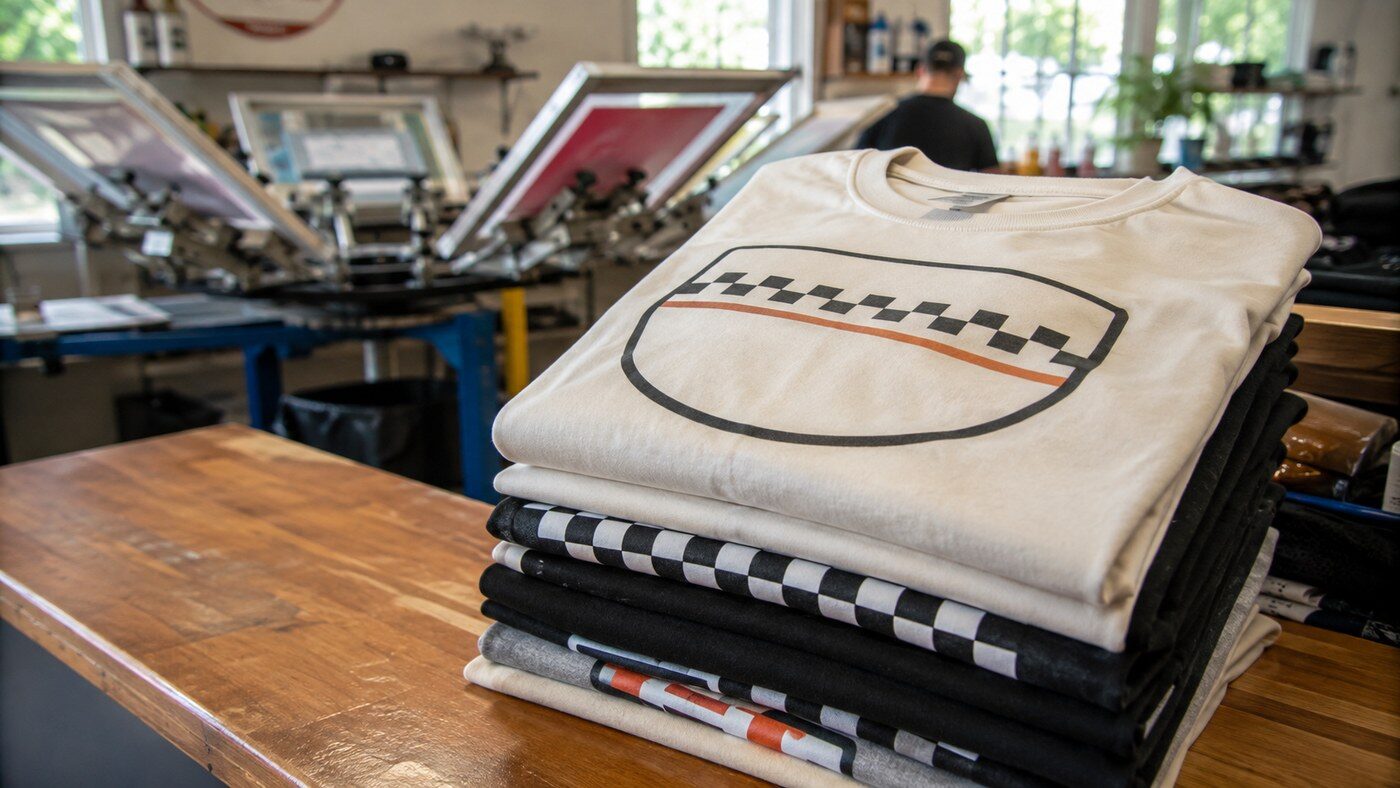
Match the bottle design and color palette to your race shirts for a cohesive identity. Race day shirts covers shirt-side coordination.
Race coming up in Austin?
Our Austin shop handles race water bottles from 200 to 50,000+ in squeeze, stainless, and collapsible silicone. We’ll help you balance race-day function and finisher take-home value, and pace the order to your race timeline.
For race events that also hand out koozies, see our custom koozies and drinkware options with bulk pricing for runners and spectators.
Phone: (512) 505-8078 · Request a Quote