

The Short Answer: Yes, DTG printing lasts a long time when the shirt is made right and cared for properly. A quality DTG print stays vibrant through 40 to 50 wash cycles, and many last the full lifetime of the shirt. The keys are professional pretreatment, full heat curing during production, and gentle washing on the customer’s end. DTG fades slightly faster than screen printing over many years, but it holds up better than most people assume. Care matters more than method.
Browse our DTG printing services in Austin, request a quote, or call (512) 505-8078.
Does DTG printing last? In nearly every case, yes. A properly executed DTG print holds color and detail through dozens of wash cycles, often outlasting the shirt itself. The honest answer is that DTG durability depends almost entirely on three things: how well the shop pretreats and cures the print, the quality of the blank shirt, and how the wearer washes the garment. Get all three right and the print stays sharp for years. Get any one of them wrong and you start seeing fade after the first 10 washes.
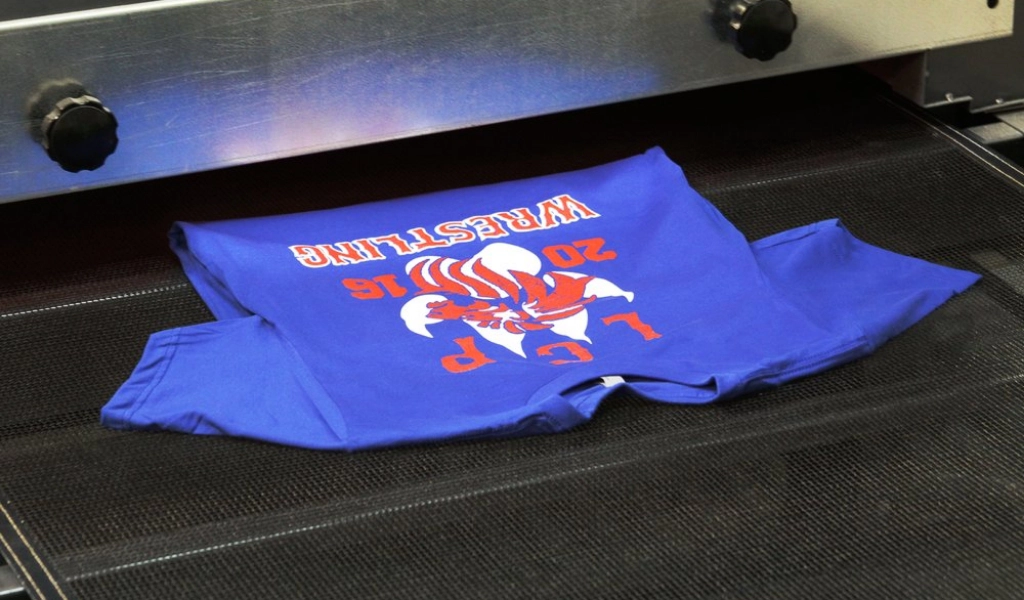
According to the Wikipedia overview of direct-to-garment printing, DTG inks are water-based and require heat curing to cross-link the polymer resins and permanently bond color pigments to the fabric fibers. That heat-curing step is the single most important factor in long-term wash fastness, which is why professional shops invest in commercial conveyor dryers instead of relying on shortcut methods.
How Long Does DTG Printing Last?
A well-made DTG print typically holds up through the same range of washes as the shirt itself. Here are realistic durability ranges based on professional production standards.
- Light-colored shirts (no white underbase): 50 plus wash cycles with minimal fade when cared for properly
- Dark-colored shirts (with white underbase): 35 to 50 wash cycles before noticeable fade begins
- Cotton tri-blend or 50/50 blends: 25 to 40 wash cycles with slightly more visible fade over time
- 100 percent polyester: Not recommended for DTG, durability drops fast on synthetic fabrics
For comparison, a high-quality T-shirt is typically considered to be at end-of-life after 50 to 100 washes, depending on fabric quality. So a properly cured DTG print on a quality cotton tee will usually outlive the wearable life of the garment. That is the standard customers should expect from a professional shop.
What Affects DTG Print Durability?
Five production and post-production factors decide whether your print fades in three months or holds strong for years. The first four happen in the shop. The last one happens at home.
- Pretreatment quality: Pretreatment is a chemical layer sprayed on the shirt before printing. It lets the ink bond to the fabric. Too little and the ink sits on top and washes away. Too much and the shirt feels stiff and the colors look off.
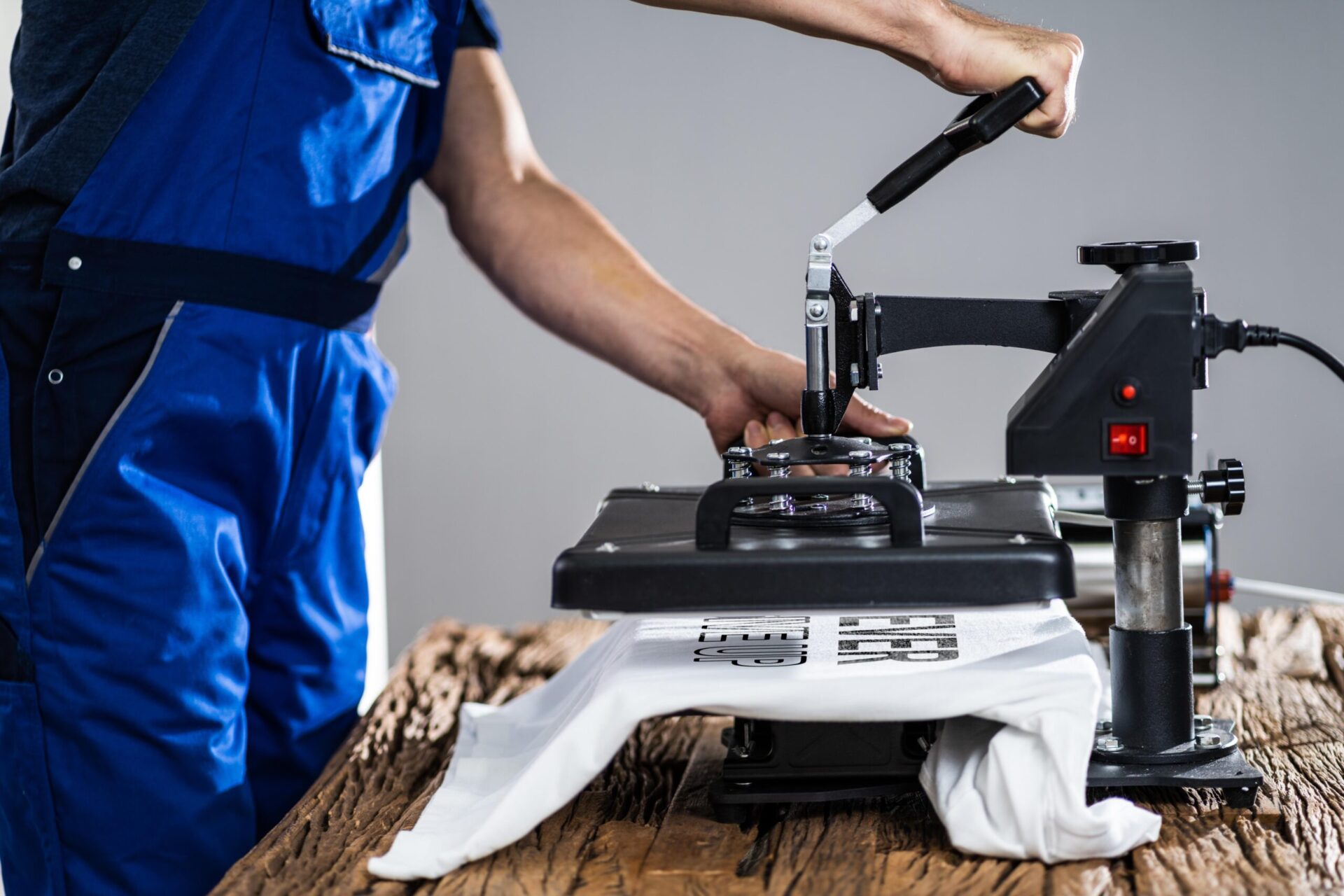
- Heat curing: Cured DTG ink bonds at the molecular level. Undercured ink looks fine fresh off the press but fades fast in the laundry. Professional shops use conveyor dryers calibrated to specific time and temperature settings.
- Ink quality: Industry-grade inks from manufacturers like Kornit, Epson, and Brother hold up dramatically better than generic alternatives. Cheap inks fade faster and crack over time.
- Garment fabric: 100 percent cotton accepts DTG ink best. High-cotton blends work nearly as well. Anything under 80 percent cotton compromises durability significantly.
- Customer wash habits: Hot water, harsh detergents, bleach, and high-heat drying are the four biggest killers of DTG prints. Cold-water washing inside-out with mild detergent extends print life by years.
The Logo Store dials in all four production factors before any shirt ships, so the only variable left is care at home.
DTG vs Screen Printing vs Embroidery on Durability
All three methods produce long-lasting results when done well, but each holds up differently over time. Here is the realistic comparison.
- Embroidery: The most durable option by a wide margin. Stitching is part of the fabric, so it does not fade, crack, or peel. Embroidery typically outlasts the garment itself.
- Screen printing: Very durable. Plastisol ink sits on top of the fabric as a thick layer that resists fading well. The downside is the heavier hand feel and the potential for cracking on stretched areas after many years.
- DTG printing: Soft hand feel with vibrant photo-quality color. Durability is excellent through the practical life of the shirt, with the most fade tolerance built into care habits rather than the print method itself.
For projects that need to look brand-new five years from now, embroidery is usually the right call. For event shirts, fan apparel, brand activations, and short-to-medium-life shirts, DTG delivers the best balance of vibrant color and reasonable longevity. Our screen printing services handle the high-volume, high-durability end of the spectrum when that is the better fit.
How to Make DTG Prints Last Longer
Most fade complaints trace back to how the shirt was washed, not how it was printed. These care habits add years to the visible life of a DTG print.
- Wash in cold water. Heat is the enemy of water-based inks. Cold water cleans just as effectively for most loads and preserves print color.
- Turn the shirt inside-out before washing. This protects the print from direct friction with other garments and the agitator.
- Use mild detergent. Skip the bleach, the oxidizing brighteners, and the harsh stain removers. Standard cold-water detergents work fine.
- Skip the dryer when possible. Air drying is gentler on both the print and the fabric. If the dryer is necessary, use low heat.
- Wait to wash after the first wear. The pretreatment fully cures over the first 48 hours. Avoid washing brand-new DTG shirts immediately if possible.
- Avoid ironing the print directly. Iron inside-out if needed, and keep the iron on low. Direct heat damages the cured ink layer.
- Skip dry cleaning. The chemicals used in standard dry cleaning are harsh on water-based inks.
Follow these and a DTG print will look new for the life of the garment. Skip them and the print may fade noticeably within a few months.
When DTG Might Not Be the Right Choice for Longevity
DTG is the right answer for most small-batch custom shirt projects. A few specific situations call for a different method.
- Daily work uniforms: A polo worn five days a week for two years racks up hundreds of washes. Embroidery or screen printing usually hold up better at that wash count.
- Athletic apparel on polyester: DTG underperforms on synthetic fabrics. Sublimation or heat transfer is usually a better choice for moisture-wicking team gear.
- Heavy outdoor wear: Sun exposure breaks down most prints over time. UV-resistant pigment inks or sublimation on polyester perform better in those conditions.
- Premium retail apparel meant to last a decade: Higher-end retail brands tend to use screen printing or embroidery for the longevity their customers expect.
For everything else, including event shirts, photo prints, full-color logos, small-batch retail, gifts, and small-business merch, DTG delivers the best mix of color quality and durability available. Our custom shirt printing team will walk you through which method fits your specific project before you commit.
Need durable custom shirts in Austin or San Antonio?
The Logo Store handles DTG, screen printing, and embroidery for businesses, sports teams, schools, and event organizers across Central Texas since 2016. We dial in pretreatment, curing, and quality control on every order so your prints hold up the way they should. No minimum orders, fast local turnaround, and free design help included.
Phone: (512) 505-8078 · Request a Quote
Related services: DTG Printing · Screen Printing · Custom Shirt Printing