
The Short Answer: A heat press for sublimation printing uses high heat (around 380 to 400 degrees Fahrenheit) and firm pressure for 30 to 60 seconds to turn solid sublimation ink into gas, bond it permanently into polyester fabric or polymer-coated products, and create vibrant, photo-quality prints that will not crack, peel, or fade. Sublimation only works on polyester fabrics (65 percent minimum) or polymer-coated hard goods like mugs and mousepads. It is the right method for athletic jerseys, performance apparel, drinkware, mousepads, polyester banners, and photo prints on poly substrates.
Browse our heat press services in Austin, request a quote, or call (512) 505-8078.
A heat press for sublimation printing is the workhorse behind every photo-quality jersey, custom mug, and bright performance shirt you have ever seen. The press applies precise heat and pressure to transfer specially formulated sublimation ink from a printed transfer paper into the fibers of a polyester garment or onto the polymer coating of a hard substrate. The result is a print that becomes part of the material itself, not a layer sitting on top. That permanence is the whole reason teams, schools, and event organizers reach for sublimation when other methods would not survive the season.
According to the Wikipedia overview of dye-sublimation printing, the process originally developed for industrial polyester textile printing now covers apparel, signs and banners, novelty items like mugs and phone cases, and almost any polymer-coated product you can run through a press. The technology has not changed dramatically in decades, but the price of entry has dropped enough that local print shops can offer sublimation as a standard service alongside screen printing and embroidery.
What Is a Heat Press for Sublimation Printing?
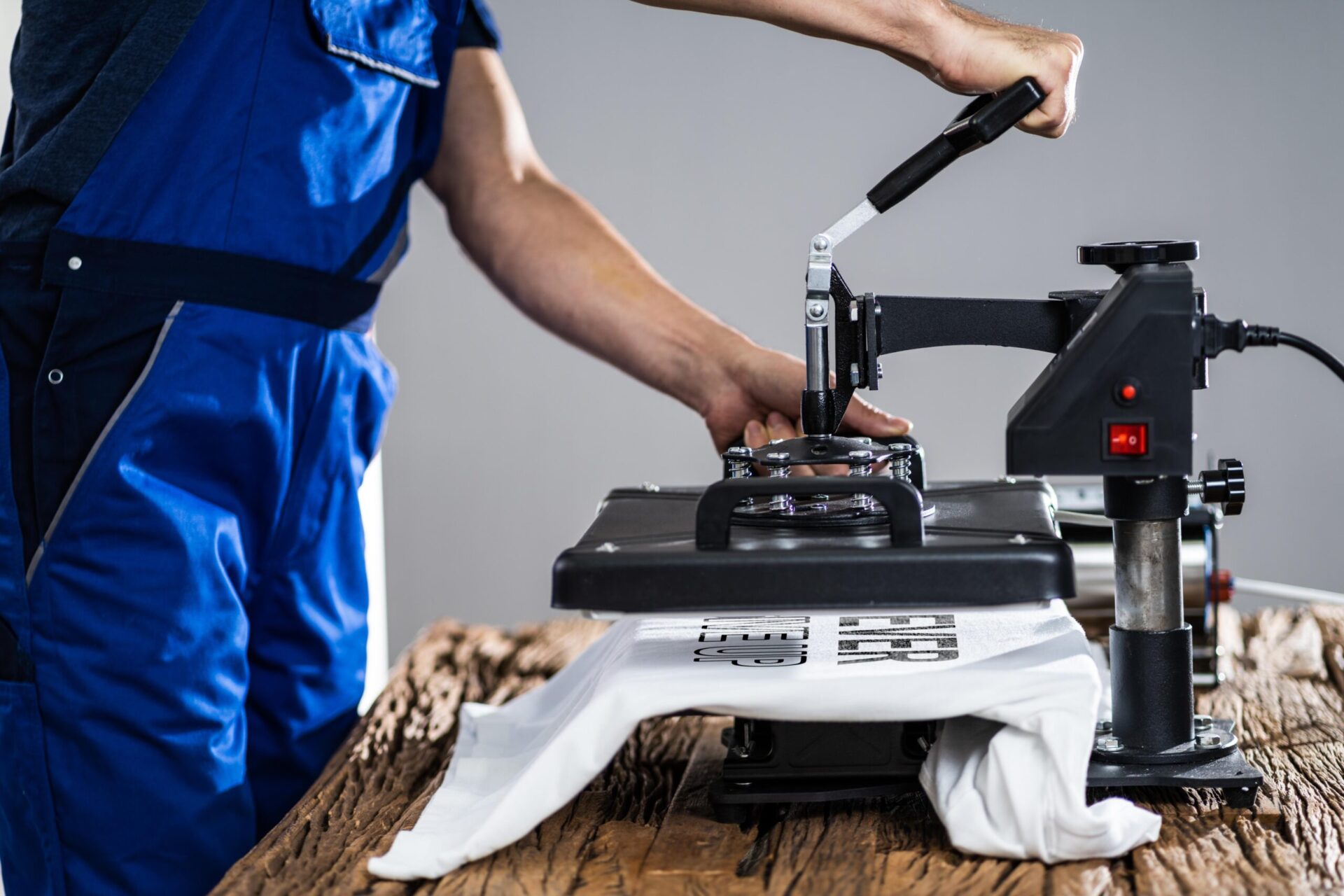
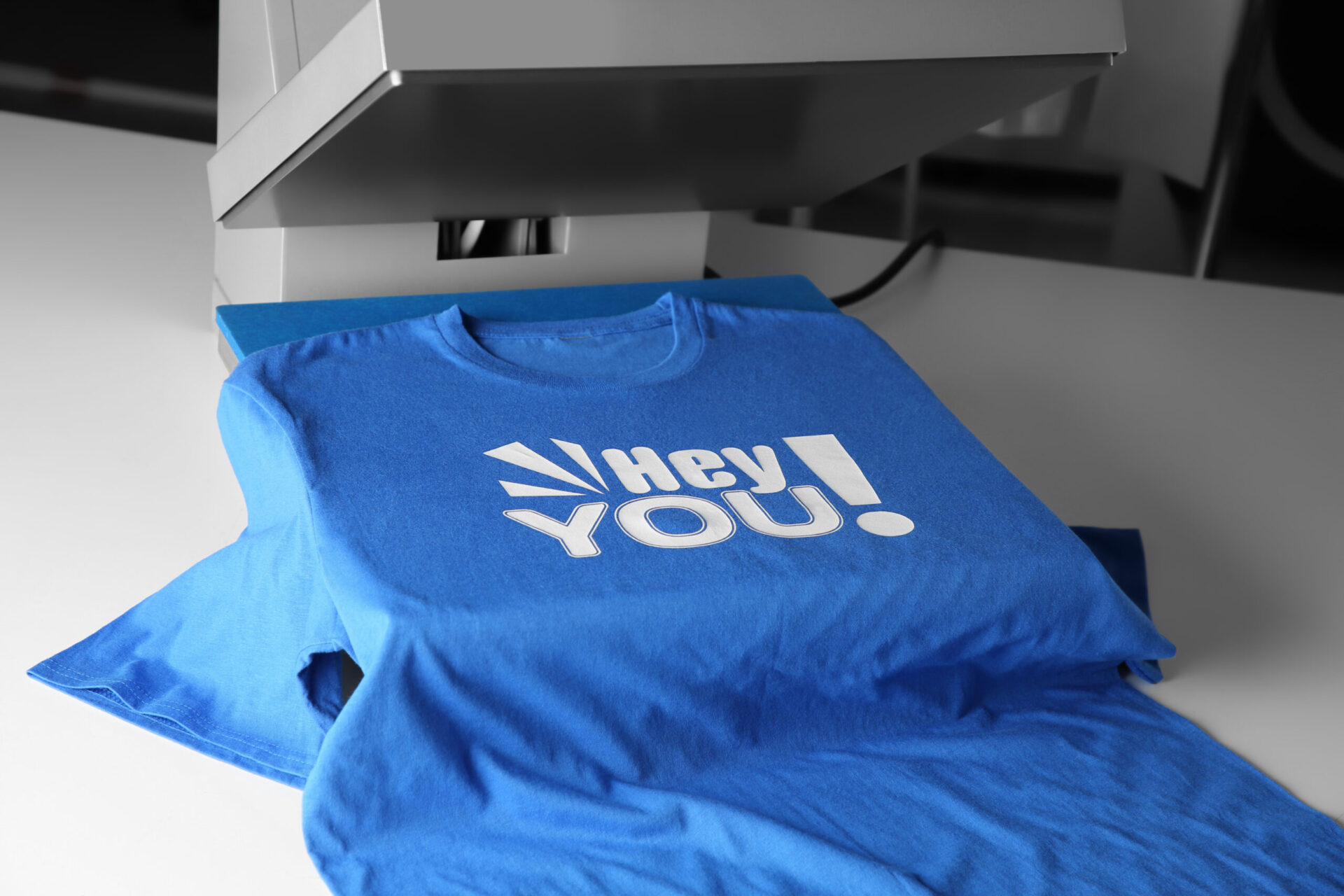
The heat press itself is a specialized machine with two platens (heated metal plates) that close together to apply consistent heat and pressure across the substrate. For sublimation, the press needs to hit specific temperature, time, and pressure settings without variance, because the ink only transfers properly inside a narrow window.
- Temperature: 380 to 400 degrees Fahrenheit for most polyester garments and polymer-coated products
- Time: 30 to 60 seconds, depending on the substrate and ink
- Pressure: Medium to firm, calibrated for the specific item type
- Platen size: Flat presses for apparel, mug presses for drinkware, hat presses for caps, and specialty presses for plates, tiles, or oddly shaped substrates
Without a heat press, sublimation does not happen. The ink physically cannot transition from solid to gas without the heat, and it cannot bond to the substrate without the pressure. That is why every sublimation workflow, even at the smallest home-shop scale, ends with a press.
How the Sublimation Process Works Step by Step
The full workflow from design to finished product follows the same five steps every time. Knowing each step helps you understand why certain substrates work and others do not.
- Design and print to transfer paper. Artwork is mirrored (flipped horizontally) and printed onto specialty sublimation transfer paper using a printer loaded with sublimation ink. The ink looks dull on the paper, which alarms people who have never seen the process before. That is normal. The colors come alive during transfer.
- Position the transfer on the substrate. The printed paper is placed face down on the polyester garment or polymer-coated product, aligned exactly where the design needs to land. Heat-resistant tape holds the paper in place during the press.
- Press at temperature and pressure. The substrate goes into the heat press at the exact temperature, pressure, and time settings for that material. For most polyester apparel, that is 400 degrees Fahrenheit at firm pressure for 45 to 60 seconds.
- The ink sublimates. Under heat, the solid ink particles turn directly into gas without passing through a liquid stage. The gas penetrates the open molecular structure of the polyester fibers or polymer coating.
- The ink resolidifies and bonds. When the press opens and the substrate cools, the gas reverts to solid form, now locked inside the polyester at a molecular level. The print does not sit on top of the fabric. It is the fabric.
That molecular bonding is why sublimation prints last as long as the garment itself, with no cracking, peeling, or fading. There is nothing on the surface that can wear off.
What Fabrics and Products Work with Sublimation
Sublimation only works on materials that contain polyester or polymer coatings. Knowing the substrate rules helps you choose the right method before you commit to the design.
- 100 percent polyester fabric: The gold standard. Athletic jerseys, performance shirts, sublimation socks, and polyester banners all produce vibrant, full-color results.
- Polyester blends (65 percent minimum): Workable, but colors look softer and slightly muted. The cotton portion of the blend does not accept the ink.
- Polymer-coated hard goods: Mugs, tumblers, mousepads, phone cases, plaques, license plates, ornaments, and metal photo panels all work when they have a sublimation-ready coating.
- Light-colored substrates only: Sublimation ink is translucent. The substrate color shows through, so it only produces accurate colors on white, ivory, or very light pastels.
- Will not work on: Cotton, dark fabrics, leather, untreated wood, untreated metal, plain ceramic, or anything that does not have a polyester or polymer surface.
Our custom koozies and drinkware orders frequently use sublimation for full-color photo prints on stainless tumblers and ceramic mugs that have a sublimation-ready coating. The same process powers full-color sublimation on team jerseys, performance polos, and athletic gear.
Sublimation vs Other Heat Press Methods
A heat press can also handle vinyl, plastisol transfers, DTF